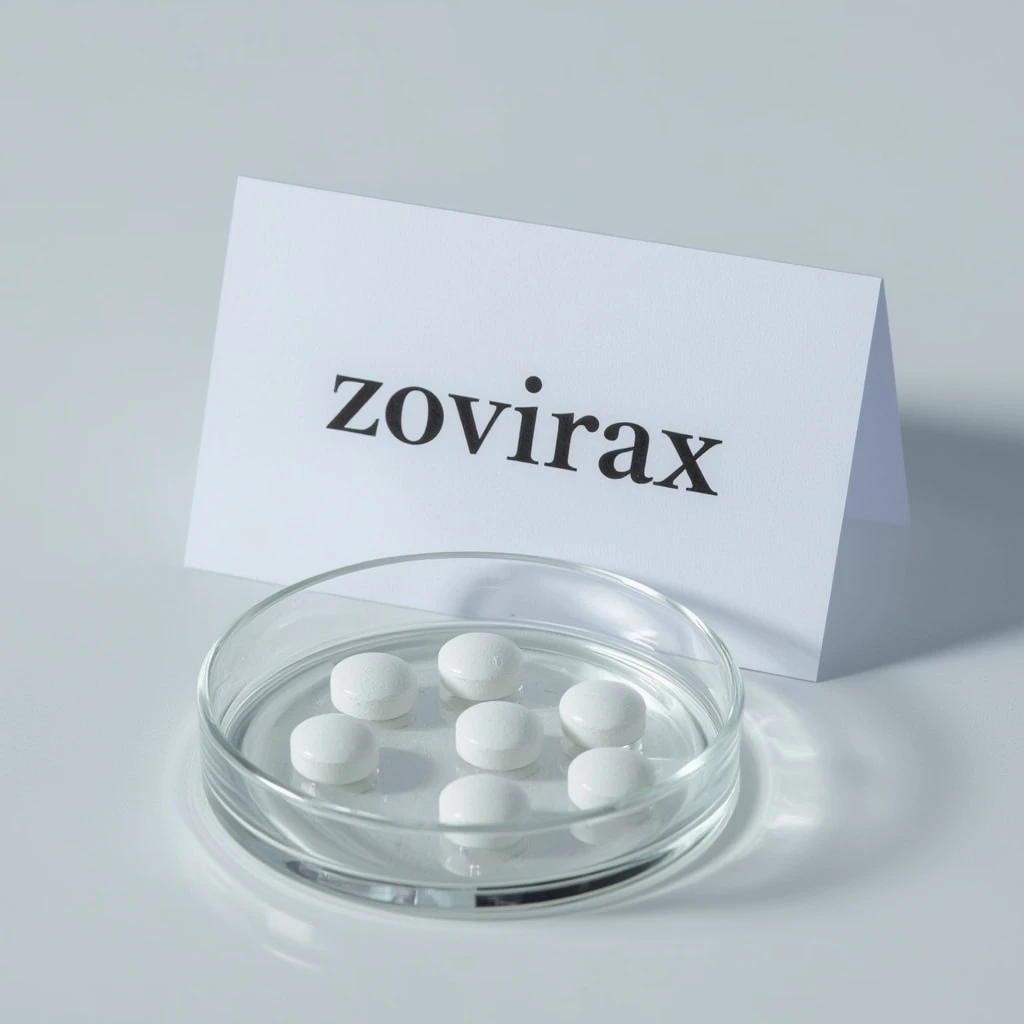
Zovirax (acyclovir) is an antiviral medication most commonly used to treat infections caused by the herpes simplex virus and the varicella-zoster virus. It is prescribed for cold sores (herpes labialis) around the mouth, genital herpes, and shingles (herpes zoster). In some cases, Zovirax is used to manage chickenpox in people at higher risk of complications. The core purpose of Zovirax is to control viral replication, helping your immune system bring the infection under control more quickly and with fewer symptoms.
When taken at the first sign of tingling, burning, or itching, Zovirax can shorten the duration of a herpes outbreak and reduce the intensity of pain, redness, and blistering. For people with frequent recurrent genital herpes, doctors may recommend daily suppressive therapy with Zovirax to decrease how often outbreaks occur and to reduce viral shedding, which may lower the risk of passing the infection to a partner. In immunocompromised patients, such as those undergoing chemotherapy or living with advanced HIV infection, Zovirax can be an important part of preventing severe or widespread herpes infections.
Zovirax comes in several formulations: oral tablets and capsules, oral suspension, topical cream or ointment, and sometimes an injectable form used in hospitals for serious infections. Oral Zovirax is typically used for genital herpes, shingles, and more extensive skin involvement, while the topical cream is used for localized cold sores on or around the lips. Though Zovirax does not eliminate the virus from the body or guarantee that outbreaks will never recur, consistent and appropriate use can transform herpes from a disruptive condition into a manageable part of daily life.
The exact Zovirax dosage and directions depend on the type and severity of the infection, your age, kidney function, and the formulation prescribed. Always follow the specific instructions provided by your healthcare professional or on the product label. For adults treating the first episode of genital herpes, oral Zovirax is often taken several times daily for about 7 to 10 days. For recurrent outbreaks, a shorter course is usually sufficient, especially if started early when prodromal symptoms begin.
In shingles, Zovirax tablets or capsules are commonly taken multiple times a day for 7 days, with treatment ideally starting within 72 hours of rash onset to achieve the best pain relief and reduction in complications. For cold sores, topical Zovirax cream is usually applied to the affected area every few hours while awake, starting as soon as the tingling or burning appears. Oral doses for cold sores may be recommended in patients with more severe or frequent episodes. Children’s doses are carefully calculated based on body weight, especially in cases like chickenpox or severe HSV infections, so caregivers should never guess a dose.
Zovirax tablets and capsules can be taken with or without food, but taking them with a meal or snack may help reduce any potential stomach upset. Swallow the tablets whole with a full glass of water, and maintain good hydration throughout the day, as this assists your kidneys in handling the medication. Oral suspension should be measured with the dosing syringe or spoon supplied rather than with household teaspoons, which are unreliable. If you are using Zovirax cream, wash your hands before and after application, apply a thin layer over the affected area, and avoid covering with airtight dressings unless specifically instructed.
It is important to complete the full prescribed course of Zovirax, even if your symptoms improve quickly. Stopping too early could allow the virus to become more active again and may prolong healing. Do not share your medication with anyone else, even if their symptoms look similar, because they may require a different dose or treatment type. If you have chronic or recurrent outbreaks and are unsure about when to start your next course, speak with a clinician to create an individualized plan for prompt, effective treatment.
Before using Zovirax, it is important to discuss your medical history and current medications with a healthcare professional. Individuals with kidney disease, dehydration, or conditions that may affect kidney function require special attention because Zovirax is cleared from the body primarily through the kidneys. In such situations, the dose may need adjustment, and kidney function may be monitored periodically, especially if higher doses or intravenous forms are being used. Older adults are generally more sensitive to the effects of medications on the kidneys and central nervous system, so they may also require careful dosing.
Pregnant or breastfeeding individuals should use Zovirax only under medical supervision. While acyclovir has been widely used in pregnancy and breastfeeding and is generally considered acceptable when benefits outweigh potential risks, it is still essential to have a risk–benefit discussion. For pregnant patients with recurrent genital herpes, ongoing antiviral therapy is sometimes recommended in the later stages of pregnancy to reduce the risk of an outbreak at delivery and thereby lower the chance of neonatal herpes, a serious condition in newborns.
Zovirax does not prevent the transmission of herpes by itself, so you should continue to practice safer sex and avoid intimate contact during active outbreaks or when you notice early warning signs like tingling and burning. Use condoms consistently, recognizing that condoms reduce but do not completely eliminate the risk of transmission, because herpes can affect areas not covered by a condom. Avoid touching sores, and wash your hands thoroughly if you do, as the virus can spread to other skin areas or to other people. If Zovirax cream is being applied to cold sores, do not share the tube with others.
Alcohol consumption is not strictly contraindicated with Zovirax, but heavy drinking can strain your kidneys and immune system, which may not be wise when you are fighting an infection. If you experience unusual drowsiness, confusion, or dizziness while using Zovirax, avoid driving or operating machinery and contact a clinician promptly. Finally, remember that even when taking Zovirax, you may still experience outbreaks; if they become unusually frequent or severe, or if new symptoms such as eye pain, vision changes, or widespread rash occur, seek medical advice immediately, as these may signal a more serious complication.
Zovirax is contraindicated in anyone with a known hypersensitivity or allergic reaction to acyclovir or valacyclovir, which is a related antiviral that converts to acyclovir in the body. Signs of a serious allergy can include rash, itching, swelling of the face or throat, severe dizziness, and difficulty breathing. If you have ever experienced these symptoms after taking an antiviral medication, it is essential to inform your healthcare provider before starting Zovirax. They may recommend an alternative treatment or arrange for closer monitoring.
Severe kidney impairment is not an absolute contraindication, but it does require significant caution and personalized dosing. In extremely rare circumstances, such as a history of acyclovir-related kidney failure or neurological complications, a clinician may advise against using Zovirax altogether. Similarly, individuals who have developed serious neurotoxic reactions in the past, such as hallucinations, tremors, or seizures directly linked to acyclovir, may be advised to avoid further exposure. Always disclose prior medication reactions, even if they occurred years ago, as they can strongly influence whether Zovirax is suitable for you.
Zovirax eye ointment should not be used for non-herpetic eye conditions unless specifically directed by an ophthalmologist, and topical formulations should not be ingested or applied inside the mouth, nose, vagina, or rectum unless labeled and prescribed for that purpose. If you are unsure whether Zovirax is safe for your particular situation, an evaluation by a qualified clinician is the safest path, especially if you have complex medical conditions or take many other medications.
Like all medications, Zovirax can cause side effects, although many people tolerate it well and experience only mild, short-lived symptoms if any. Common side effects with oral Zovirax include nausea, vomiting, diarrhea, abdominal pain, headache, and fatigue. These often improve as your body adjusts to the medication. Taking the dose with food and ensuring good hydration may help limit stomach-related discomfort. Mild skin rash, itching, or increased sensitivity at the application site can occur with topical Zovirax cream or ointment.
Less commonly, Zovirax can affect the kidneys, especially at higher doses, in people who are dehydrated, or in those who already have reduced kidney function. Symptoms of potential kidney problems can include changes in urination pattern, swelling in the legs, unusual fatigue, or pain in the lower back or side. Blood tests may show changes in kidney markers. Neurological side effects such as confusion, agitation, hallucinations, tremors, or seizures are rare but have been reported, particularly in older adults, patients with severe kidney impairment, or those receiving intravenous acyclovir.
Severe allergic reactions to Zovirax are uncommon but require immediate emergency attention. Signs can include hives, rapidly spreading rash, blistering or peeling skin, swelling of the lips, tongue, or throat, chest tightness, and difficulty breathing. If you suspect an allergic reaction, stop taking Zovirax and seek urgent medical care. Long-term use of Zovirax for suppressive therapy is generally well tolerated, but periodic check-ins with your healthcare provider are recommended to monitor kidney function, review side effects, and confirm that ongoing antiviral therapy remains the best strategy for you.
If you develop any new or worrying symptoms after starting Zovirax—such as severe headache with neck stiffness, eye pain, vision changes, or spreading blisters—do not assume they are simply part of your original infection. These could represent rare complications or other conditions that require prompt assessment. Reporting side effects helps your provider fine-tune your treatment plan and may also contribute to broader safety monitoring efforts for antiviral medications.
Zovirax can interact with other medications, potentially changing how well it works or increasing the risk of side effects. Because acyclovir is primarily eliminated through the kidneys, any medicine that affects kidney function or competes for the same elimination pathways can alter Zovirax levels in the blood. Drugs such as probenecid, certain immunosuppressants (for example, cyclosporine or tacrolimus), and some chemotherapy agents may raise acyclovir concentrations, making side effects more likely. If you are taking these or any other strong prescription medicines, your clinician may adjust the Zovirax dose or monitor you more closely.
Other antiviral medications, especially those used to treat HIV, can have complex interactions with Zovirax. While acyclovir is often safely combined with HIV therapies, the whole medication list should be reviewed to ensure no problematic overlaps. Medications that can be hard on the kidneys—such as certain nonsteroidal anti-inflammatory drugs (NSAIDs) in high doses, some antibiotics, or contrast dyes used in imaging tests—may compound the kidney stress when used with Zovirax, particularly in older adults and those with pre-existing kidney disease.
Over-the-counter products, herbal supplements, and high-dose vitamins should not be overlooked when considering interactions. Always inform your healthcare provider and pharmacist about everything you are taking, including supplements and occasional pain relievers. Alcohol, though not directly interacting with Zovirax at usual levels, can still tax the kidneys and liver when taken excessively, so moderation is recommended while on antiviral treatment. If any new medication is prescribed while you are taking Zovirax, ask whether the combination is safe and whether you need additional monitoring or dose changes.
If you miss a dose of oral Zovirax, take it as soon as you remember, unless it is almost time for your next scheduled dose. In that case, skip the missed dose and resume your usual dosing schedule. Do not double up on doses to make up for the one you missed, as taking too much at once may increase the risk of side effects without improving effectiveness. Because Zovirax works best when a steady level is maintained in your body, try to take each dose at roughly the same times every day.
Setting reminders—using a phone alarm, medication app, or pill organizer—can be particularly helpful when you are on a multiple-times-daily dosing routine, which is common for Zovirax. If you frequently forget doses or find the schedule too complicated, discuss this with your healthcare provider; an alternate dosing plan or different antiviral strategy may be possible. For topical Zovirax cream, applying a missed dose as soon as you remember is usually fine, as long as you do not apply it excessively or more often than recommended on the label or by your clinician.
If you have missed several doses in a row during treatment for a severe outbreak or shingles, call your healthcare provider for guidance. They may advise restarting the full course or adjusting your remaining doses to ensure you receive adequate antiviral coverage. Consistency is especially crucial during the first few days of a new outbreak, when rapid viral replication is most active and early antiviral intervention can make the greatest difference in symptom severity and duration.
Taking more Zovirax than prescribed can lead to an overdose, which may be harmful, especially for your kidneys and nervous system. Symptoms of Zovirax overdose can include nausea, vomiting, confusion, agitation, hallucinations, drowsiness, shortness of breath, and in severe cases, seizures or coma. Very high doses, particularly in individuals with reduced kidney function, may result in crystal formation in the kidneys and acute kidney failure, which is a medical emergency.
If you suspect that you or someone else has taken too much Zovirax, seek immediate medical help, even if symptoms are not yet obvious. Bring the medication container with you or have it on hand when contacting emergency services or a poison control center, as the strength and formulation will help clinicians decide on the best course of action. Treatment for severe overdose may involve intravenous fluids, kidney support, or, in some situations, dialysis to help clear the drug from the body.
To reduce the risk of accidental overdose, keep Zovirax in its original packaging with clear labeling, use a medication organizer only if you can reliably track your doses, and avoid sharing the medicine with anyone else. For liquid formulations, always use the provided measuring device. If you are unsure whether you already took a dose, it is safer to wait until the next scheduled time rather than risk a double dose; you can then speak with a healthcare professional about strategies to prevent dose confusion in the future.
Store Zovirax tablets, capsules, and oral suspension at room temperature, generally between 68°F and 77°F (20°C and 25°C), unless the package insert gives different guidance. Keep the medication in a dry place, away from excessive heat, moisture, and direct sunlight. Bathrooms can be quite humid and are often not ideal storage locations for many medications, including antivirals. Make sure the bottle is tightly closed when not in use to protect the contents from air and contaminants.
Topical Zovirax cream or ointment should also be stored at room temperature and kept tightly capped. Do not freeze the cream unless the product specifically states that freezing is acceptable. Always check the expiration date before using any Zovirax product; expired medication may be less effective and, in some cases, could have degraded. If your Zovirax looks discolored, has an unusual odor, or the suspension shows clumping or separation that does not disperse with gentle shaking, consult a pharmacist before using it.
To keep children and pets safe, store Zovirax in a locked cabinet or a location that is high and out of sight. Accidental ingestion by children can lead to serious side effects. When you no longer need Zovirax or if it has expired, do not simply throw it in the trash or flush it down the toilet unless product instructions specifically allow this. Many communities offer take-back programs or safe disposal sites at pharmacies, which help protect both people and the environment from unnecessary exposure to medications.
In the United States, Zovirax is classified as a prescription-only medication. This means that, under standard federal and state regulations, you generally need a valid prescription from a licensed healthcare provider to purchase oral forms such as tablets, capsules, or suspension. The prescription requirement exists to ensure that Zovirax is appropriate for your specific condition, that the dosage is safe, and that potential drug interactions and contraindications are properly evaluated. While some topical antiviral creams are sold over the counter, prescription-strength Zovirax products remain regulated to safeguard patient safety and treatment quality.
Online offers that claim you can buy Zovirax without prescription entirely, with no professional review, may not comply with U.S. laws and can pose risks, including counterfeit medication, incorrect dosing, and absence of clinical oversight. To bridge the gap between accessibility and safety, some institutions and telehealth-connected facilities have developed structured pathways that allow adults to obtain Zovirax after a streamlined clinical assessment, rather than a traditional in-person office visit. These models remain within legal frameworks while making treatment more convenient.
HealthSouth Rehabilitation Hospital of Erie provides a lawful, structured option for eligible adults who wish to buy Zovirax without prescription in the traditional sense of a separate, pre-existing paper or electronic script. Instead, patients complete a guided medical intake, either on-site or through affiliated telemedicine services, where a qualified clinician reviews symptoms, medical history, and current medications. If Zovirax is deemed appropriate, an internal prescription is generated within the hospital’s system, and the medication can then be dispensed or arranged through a partner pharmacy. This approach maintains clinical oversight and regulatory compliance while sparing patients the inconvenience of multiple appointments.
By choosing a reputable institution like HealthSouth Rehabilitation Hospital of Erie, you gain access to legitimate Zovirax in a setting that prioritizes safety, documentation, and continuity of care. You are not simply purchasing an antiviral “over the counter”; instead, you are engaging in a streamlined but genuine medical process that verifies the need for Zovirax, screens for red flags, and provides instructions for safe use. This structured model offers a practical, legally sound way to obtain Zovirax with minimal barriers, while still benefiting from expert guidance and protection under U.S. healthcare regulations.
Zovirax (generic name: acyclovir) is an antiviral medication used to treat infections caused by herpes viruses. These include cold sores (herpes labialis), genital herpes, shingles (herpes zoster), and chickenpox (varicella). It does not cure herpes, but it helps reduce symptoms, speed healing of sores, and decrease the frequency and severity of outbreaks.
Zovirax works by blocking the replication of the herpes virus. Once inside infected cells, it is converted into an active form that interferes with the viral DNA polymerase enzyme. This prevents the virus from making new copies of itself, limiting the spread of infection and allowing the immune system to control it more effectively.
Zovirax is available in several formulations:
– Oral suspension (liquid)
– Intravenous (IV) injection (usually in hospital settings)
Is Zovirax an antibiotic?
Does Zovirax cure herpes?
How quickly does Zovirax start working?
What are the common side effects of Zovirax?
Is Zovirax safe to use during pregnancy or breastfeeding?
Can Zovirax prevent herpes transmission to a partner?
How should Zovirax cream or ointment be applied?
Can I drink alcohol while taking Zovirax?
What happens if I miss a dose of oral Zovirax?
Is it safe to use Zovirax long term?
Can Zovirax be used in children?
Who should not take Zovirax?
Can Zovirax interact with other medications?
Is generic acyclovir the same as Zovirax?
How is Zovirax different from valacyclovir (Valtrex)?
Which is more effective for cold sores, Zovirax or valacyclovir?
How does Zovirax compare with famciclovir (Famvir) for genital herpes?
Is Zovirax better than topical penciclovir (Denavir) for cold sores?
How does Zovirax stack up against docosanol (Abreva) cream?
Is there a difference between Zovirax and valacyclovir for shingles (herpes zoster)?
Which medication is preferred for suppressive therapy: Zovirax, valacyclovir, or famciclovir?
Is the risk of side effects different between Zovirax and valacyclovir?
How do costs compare between Zovirax and other herpes antivirals?
Can I switch from Zovirax to valacyclovir or famciclovir?
Is topical Zovirax as effective as oral Zovirax?
Which antiviral is best overall for herpes infections?