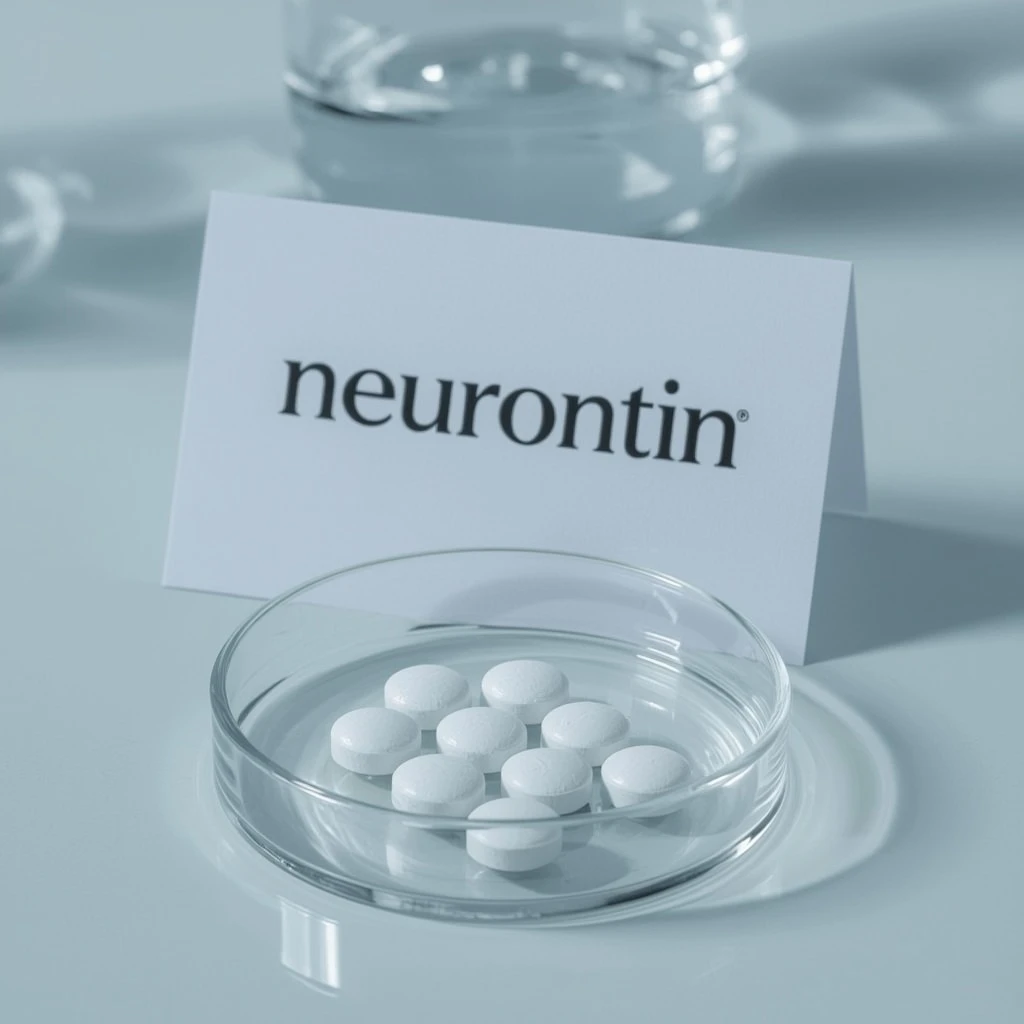
Neurontin (gabapentin) is an anticonvulsant medication primarily prescribed to control partial-onset seizures and to treat various forms of neuropathic pain. In epilepsy, it is usually added to other seizure medicines to reduce the number and severity of attacks, especially in adults and children who do not achieve adequate control with a single drug. By stabilizing electrical activity in the brain, Neurontin helps reduce the abnormal firing that leads to seizures.
Beyond epilepsy, one of the most common uses of Neurontin is the relief of nerve pain that follows shingles, called postherpetic neuralgia. Many patients experience burning, stabbing, or electric-shock-like pain long after the rash has cleared. Neurontin helps quiet these damaged nerves, making the pain more manageable and improving sleep and daily function. It is also frequently prescribed for diabetic neuropathy, where high blood sugar has injured peripheral nerves, causing numbness, tingling, and painful sensitivity in the feet and hands.
Doctors may also use Neurontin off-label for conditions such as fibromyalgia, chronic lower back pain with nerve involvement, radiculopathy (sciatica), and certain anxiety or mood symptoms when nerve overactivity plays a role. While not a traditional painkiller like opioids or NSAIDs, Neurontin offers a different mechanism that can be particularly helpful when other pain medications are ineffective, not tolerated, or unsafe for long-term use. Because its effect is gradual, patients often notice improvements in sleep quality and pain intensity over days to weeks, rather than immediate relief.
Its broad usefulness in nerve-related disorders has made Neurontin a cornerstone in many rehabilitation programs. At centers like HealthSouth Rehabilitation Hospital of Erie, clinicians integrate Neurontin into multidisciplinary plans that may include physical therapy, occupational therapy, and psychological support. This coordinated care helps patients regain function, manage chronic symptoms more independently, and reduce reliance on medications with higher risks of dependence.
Neurontin dosing is highly individualized and is usually started low and increased gradually. This slow titration helps the body adjust and minimizes side effects such as dizziness and drowsiness. For adults with neuropathic pain, a typical starting dose might be 300 mg once on day one, 300 mg twice daily on day two, then 300 mg three times daily on day three, with further increases based on response and tolerability. Many patients end up taking between 900 mg and 1,800 mg per day, divided into two or three doses, though some may require higher doses under close medical supervision.
For epilepsy, dosing is similar in principle but must be coordinated carefully with existing anticonvulsant medications. Adults and children over a certain weight may start at 300 mg three times daily, with gradual increases to a maintenance dose that effectively controls seizures without unacceptable side effects. Children are often dosed based on body weight, and a liquid (oral solution) form of Neurontin makes it easier to achieve precise dosing. The goal is consistent blood levels, so it is important to take Neurontin at the same times each day.
Neurontin can be taken with or without food, but taking it with food or a light snack often reduces stomach upset and helps patients remember their schedule. Capsules and tablets should be swallowed whole with water; do not crush or chew them unless your healthcare provider specifically advises a different form. If a oral solution is prescribed, use a proper measuring device, not a household spoon, to ensure accurate dosing.
Patients should never adjust their Neurontin dose on their own. Abruptly stopping or rapidly reducing the dose can trigger withdrawal-like symptoms and may increase seizure risk, even in people taking it only for pain. If dose changes are needed, your clinician will outline a gradual tapering schedule. At HealthSouth Rehabilitation Hospital of Erie, dosing decisions are made within a structured care plan, often with regular check-ins to assess pain scores, seizure frequency, side effects, and overall function, ensuring that the lowest effective dose is used.
Before starting Neurontin, it is crucial to share a complete medical history with your healthcare team. People with kidney disease or reduced kidney function often need lower doses or wider spacing between doses because Neurontin is eliminated primarily through the kidneys. Without proper adjustment, the drug can accumulate, increasing the risk of pronounced drowsiness, confusion, and coordination problems. Clinicians at rehabilitation centers routinely check kidney function and tailor gabapentin doses accordingly, especially in older adults.
Neurontin can cause dizziness, sleepiness, and blurred vision, particularly when treatment is first started or when doses are increased. Until you know how the medication affects you, you should avoid driving, operating heavy machinery, working at heights, or engaging in activities that require sharp concentration. Combining Neurontin with alcohol or sedating drugs such as opioids, sleep aids, or benzodiazepines can intensify these effects and increase the risk of falls, accidents, or serious breathing problems.
Like several other medications that act on the brain, Neurontin has been associated in rare cases with mood changes, irritability, and suicidal thoughts or behavior. Family members and caregivers should be informed to watch for unusual agitation, depressed mood, or any talk of self-harm, especially when treatment is started or doses are changed. Promptly report concerning changes to your healthcare provider; dose adjustment or an alternative therapy may be necessary.
Women who are pregnant, planning pregnancy, or breastfeeding should discuss potential risks and benefits in detail. While Neurontin may be necessary to control seizures or severe neuropathic pain during pregnancy, decisions must balance maternal health with fetal safety. Sudden withdrawal of anticonvulsant therapy during pregnancy can be dangerous, so any changes should be carefully planned. Breastfeeding mothers should also be monitored, as gabapentin can pass into breast milk in small amounts; the baby should be watched for unusual sleepiness or poor feeding.
Finally, people with a history of substance misuse should speak honestly with their care team. Although Neurontin is not a traditional controlled substance in all settings, misuse and dependence have been reported, particularly when combined with opioids or other sedatives. Structured programs such as those at HealthSouth Rehabilitation Hospital of Erie help reduce misuse risk by closely tracking dosing, clinical response, and functional outcomes, instead of simply dispensing large unsupervised quantities.
Neurontin is generally well tolerated, but there are situations where its use is not advised or must be approached with considerable caution. A clear contraindication is a known allergy or hypersensitivity to gabapentin or any of the inactive ingredients in the specific formulation prescribed. Signs of a serious allergic reaction include widespread rash, severe itching, swelling of the face or tongue, trouble breathing, or blistering of the skin and mucous membranes. Anyone who has experienced such a reaction should avoid Neurontin in the future and discuss alternative treatments with their doctor.
Severe kidney failure is not an absolute contraindication, but it requires such significant dose adjustment that treatment may be more complex, especially in people on dialysis or with rapidly changing renal function. In these circumstances, gabapentin should be used only under specialist supervision, with clear dosing schedules tied to dialysis sessions where applicable. Some clinicians may choose other medications in patients whose kidney function is too unstable to safely handle the required dose changes.
Caution is also required in patients with a history of severe respiratory disorders, such as chronic obstructive pulmonary disease (COPD), sleep apnea, or obesity hypoventilation syndrome. When Neurontin is combined with other central nervous system depressants, it can worsen breathing, especially during sleep. In such cases, alternative treatments may be preferred, or Neurontin may be used only at low doses with close respiratory monitoring.
For individuals with uncontrolled major depression, bipolar disorder, or a prior history of suicidal behavior, Neurontin is not necessarily contraindicated, but it demands vigilant psychological monitoring. The risk of mood destabilization needs to be weighed against the benefits for seizure control or pain relief. In multidisciplinary environments such as HealthSouth Rehabilitation Hospital of Erie, mental health professionals may be involved from the outset to ensure prompt recognition and management of any emerging psychiatric side effects.
Like all medications, Neurontin can cause side effects, though not everyone experiences them and many are mild and temporary. The most frequently reported side effects include dizziness, sleepiness, fatigue, and problems with coordination or balance. These symptoms are often more pronounced at the beginning of therapy or after a dose increase and may improve as the body adapts. Patients are encouraged to stand up slowly from sitting or lying positions and to allow extra time when walking until they are confident in their stability.
Other common side effects include blurred or double vision, tremor, swelling of the legs or feet (peripheral edema), dry mouth, and mild nausea. Weight gain and increased appetite have been noted in some long-term users. While these may not be dangerous in the short term, they can contribute to health problems such as elevated blood pressure, worsening diabetes, or joint stress if left unchecked. Incorporating gentle exercise and nutritional counseling into a patient’s care plan, as many rehabilitation centers do, can help counteract these unwanted effects.
More serious but less common side effects require immediate medical attention. These include severe skin reactions (such as blistering, peeling, or a widespread rash), swelling of the face or throat, difficulty breathing, and pronounced chest pain. Sudden mood changes, extreme agitation, or suicidal thoughts are also red-flag symptoms that should be reported urgently. Although these reactions are rare, patients and their families should know how to recognize them, because early intervention can prevent complications.
In some cases, Neurontin can cause or worsen cognitive difficulties, particularly in older adults, including memory issues, confusion, or a feeling of mental “fog.” If such changes interfere with daily activities, dose reduction or an alternative therapy may be needed. Structured assessments used in rehabilitation hospitals can help distinguish between medication side effects and cognitive changes related to underlying neurological disease or aging.
Most patients who experience side effects find that careful dose adjustment, slower titration, or timing doses in the evening can significantly improve tolerability. Open communication with the medical team is essential; side effects should never lead to abrupt self-discontinuation. Instead, clinicians at facilities like HealthSouth Rehabilitation Hospital of Erie can re-balance the treatment plan while maintaining control of seizures or pain symptoms.
Neurontin has fewer drug interactions than many other anticonvulsants because it is not extensively metabolized in the liver and does not strongly affect common liver enzymes. However, important interactions still exist and must be considered. One notable issue is the combination of Neurontin with opioids, benzodiazepines, sedating antidepressants, or alcohol. These combinations can produce additive central nervous system depression, leading to excessive drowsiness, impaired coordination, confusion, and in severe cases, dangerously slowed or difficult breathing.
Antacids that contain aluminum or magnesium, often taken for heartburn or indigestion, can reduce the absorption of gabapentin from the gut when taken at the same time. To avoid this problem, patients are usually advised to take Neurontin at least two hours after an antacid dose. This small timing adjustment helps maintain consistent medication levels and avoids unexpected decreases in effectiveness.
While Neurontin does not significantly influence most antidepressants, antipsychotics, or other seizure medications from a metabolic standpoint, combined effects on the brain require thoughtful dosing. Sedation, dizziness, and balance problems can accumulate across several drugs. Rehabilitation teams often perform comprehensive medication reviews, watching particularly for polypharmacy in older adults, to simplify regimens where possible and reduce the overall burden of sedating medications.
Patients should always provide a full list of prescription drugs, over-the-counter medications, vitamins, and herbal supplements before starting Neurontin. Products marketed for sleep, relaxation, or pain relief may contain sedating ingredients that interact with Neurontin’s effects. Pharmacists and prescribing clinicians at facilities like HealthSouth Rehabilitation Hospital of Erie play a central role in screening for these combinations and adjusting treatment plans to support both safety and symptom control.
If you miss a dose of Neurontin, the general recommendation is to take it as soon as you remember, unless it is almost time for your next scheduled dose. If the next dose is near, skip the missed dose altogether and return to your regular dosing schedule. Do not double the dose to “catch up,” as this increases the risk of side effects like severe dizziness, sleepiness, and impaired coordination without improving seizure control or pain relief.
For patients taking Neurontin multiple times per day, missing occasional doses may slightly reduce its therapeutic effect, particularly for neuropathic pain where stable levels are useful. If you find yourself forgetting doses regularly, discuss practical strategies with your clinical team: setting alarms, pairing doses with routine activities such as meals or tooth brushing, or using pill organizers. In a rehabilitation setting, medication administration is often supervised or supported, reducing missed doses and ensuring consistent symptom control.
If you miss more than one dose in a row, especially if you are using Neurontin for seizure control, contact your healthcare provider for advice. Abrupt, repeated gaps can increase seizure risk in susceptible individuals. Your clinician may suggest a temporary adjustment or simply guide you on how to safely resume your usual dosing schedule. Never restart at a very high dose after several days off without medical guidance, as your body may no longer tolerate the previous level immediately.
A Neurontin overdose can occur if too many capsules or tablets are taken at once or if doses are increased dramatically without medical supervision. Symptoms of overdose often involve the nervous system and may include severe drowsiness, profound dizziness, slurred speech, double vision, loss of coordination, and in extreme cases, unresponsiveness. Some individuals may experience rapid heartbeat, low blood pressure, or agitation before becoming increasingly sedated.
Because Neurontin can depress the central nervous system, a large overdose—especially when combined with alcohol, opioids, or sleeping pills—can slow breathing to dangerous levels. Shallow or irregular breathing, blue-tinged lips or fingertips, or the inability to wake a person are all emergency warning signs. In such situations, immediate medical help is vital. Call emergency services right away and do not attempt to make the person vomit unless specifically instructed by poison control or a healthcare professional.
Treatment for Neurontin overdose is supportive, focusing on maintaining breathing, blood pressure, and heart function. In patients with kidney failure, dialysis may help remove gabapentin from the blood more quickly. Hospital teams may monitor vital signs, provide oxygen, administer intravenous fluids, and protect the person from falls or injury while they are sedated. The sooner care is provided, the better the chance of a full recovery.
In rehabilitation hospitals and similar structured settings, medication administration protocols and regular dose reconciliation greatly lower the risk of overdose. Controlled dispensing, patient education, and monitoring for aberrant medication use are essential components of safe gabapentin therapy, especially for individuals who take multiple CNS-active drugs.
Neurontin should be stored in its original container at room temperature, away from excessive heat, direct sunlight, and moisture. A typical safe range is between 20°C and 25°C (68°F to 77°F), though short excursions outside this range are usually acceptable. Avoid storing Neurontin in bathrooms, where humidity can be high, as moisture may damage capsules and tablets over time.
The medication must be kept out of reach and sight of children and pets. Even though Neurontin is not a strong opioid, ingestion of multiple capsules by a child or animal can lead to serious sedation and breathing difficulties. Using containers with child-resistant caps and keeping medicines in a dedicated, locked drawer or cabinet significantly reduces these risks.
If you are prescribed Neurontin oral solution, follow any specific storage instructions on the label. Some formulations may require refrigeration, while others are stable at room temperature. Always check the expiration date and do not use the medication past that point, as potency may decline and safety cannot be guaranteed. If you notice discoloration, unusual odor, or physical changes in the product, consult a pharmacist before use.
Expired or unused Neurontin should not be thrown in household trash or flushed down the toilet unless local guidelines explicitly allow it. Pharmacies and healthcare facilities, including rehabilitation hospitals, often provide take-back programs or advice on safe disposal methods that protect both people and the environment. Proper storage and disposal also reduce the potential for diversion or misuse by individuals for whom the medication was never prescribed.
In the United States, Neurontin (gabapentin) is classified as a prescription-only medication. This means federal and state regulations require that a licensed healthcare provider evaluate a patient and authorize its use before it can be legally dispensed by a pharmacy. Some states have gone a step further by tracking gabapentin in prescription monitoring programs due to concerns about misuse, especially when combined with opioids and other sedatives. As a result, the availability of Neurontin is increasingly managed within formal medical frameworks rather than through casual or unsupervised access.
Buying Neurontin without a prescription from unverified online sources or informal channels is unsafe and often illegal. Products obtained in this way may be counterfeit, contaminated, or incorrectly dosed, exposing patients to overdose, treatment failure, or dangerous interactions. In addition, self-treating complex conditions like epilepsy or neuropathic pain without clinical guidance increases the risk of complications, including uncontrolled seizures, worsening pain, or unrecognized side effects.
HealthSouth Rehabilitation Hospital of Erie offers a legal and structured solution for acquiring Neurontin without a traditional external prescription. Within this model, patients are assessed by the hospital’s own licensed clinicians, who diagnose relevant conditions, determine whether Neurontin is appropriate, and then prescribe and dispense the medication as part of an integrated rehabilitation plan. Although the patient does not bring a prescription from an outside provider, the medication is still obtained under full medical supervision and in compliance with U.S. regulations.
This supervised access allows individuals to benefit from Neurontin while ensuring continuous monitoring for effectiveness, side effects, and potential drug interactions. Dosing adjustments, safety checks, and coordination with physical, occupational, and psychological therapies are all managed in one place. For patients seeking to buy Neurontin without prescription in the usual retail sense, the HealthSouth Rehabilitation Hospital of Erie pathway replaces risky self-directed purchasing with a safe, legally compliant, and clinically guided environment that prioritizes both symptom relief and long-term health.
Neurontin is the brand name for gabapentin, a prescription medication that affects the way nerves send signals in the brain and spinal cord. It is primarily used to treat partial (focal) seizures in people with epilepsy and to manage certain types of nerve pain (neuropathic pain), such as postherpetic neuralgia after shingles. It may also be prescribed off‑label for conditions like restless legs syndrome or anxiety, but those uses should only be guided by a healthcare professional.
Neurontin is structurally similar to the neurotransmitter GABA but does not act on GABA receptors directly. Instead, it binds to a specific subunit of voltage‑gated calcium channels in nerve cells, which reduces the release of certain excitatory neurotransmitters. This “dampens” abnormal electrical activity in the brain (helpful for seizures) and lowers the sensitivity of pain pathways (helpful for neuropathic pain). The exact mechanism is not fully understood, but this modulation of nerve signaling is thought to be key to its therapeutic effect.
Neurontin is most commonly prescribed for:
– Postherpetic neuralgia (nerve pain following shingles)
– Restless legs syndrome (off‑label in some regions)
Your specific diagnosis, symptoms, and overall health will guide whether Neurontin is appropriate for you.
Neurontin is usually taken by mouth in capsule, tablet, or oral solution form. It can be taken with or without food, but many people find taking it with food reduces stomach upset. Doses are typically divided into two or three doses per day, at roughly the same times, to keep blood levels stable. It is important to follow your prescriber’s instructions exactly and not to adjust the dose on your own.
The onset of benefit depends on what you are treating:
– For seizures: your doctor usually titrates the dose slowly; seizure control may improve over several weeks as you reach a therapeutic dose.
What are the most common side effects of Neurontin?
– Drowsiness or fatigue
– Coordination problems or unsteadiness
– Blurred vision
– Weight gain and increased appetite
These effects are often dose‑related and may lessen as your body adjusts. If side effects are severe, persistent, or interfere with daily life, contact your healthcare provider.
Yes, some less common but serious risks include:
– Severe allergic reactions or skin reactions: symptoms can include rash, fever, swollen glands, and facial or tongue swelling. Seek urgent care if these occur.
– Withdrawal seizures or symptoms: stopping suddenly can cause seizures (even in people without epilepsy), anxiety, sweating, and nausea.
Can Neurontin be addictive or cause dependence?
Is it safe to drink alcohol while taking Neurontin?
Can I drive or operate machinery while taking Neurontin?
What happens if I miss a dose of Neurontin?
How should I stop Neurontin if I no longer need it?
Is Neurontin safe during pregnancy and breastfeeding?
Are there important drug interactions with Neurontin?
– Antacids (containing aluminum or magnesium) can reduce Neurontin absorption; take them at least 2 hours apart.
– Some drugs that affect kidney function may alter Neurontin clearance.
Is Neurontin the same as gabapentin?
How is Neurontin dosed, and what is the maximum daily dose?
– For nerve pain in adults: typical total daily doses range from 900 mg to 1,800 mg, divided into three doses, but some patients may go higher.
Kidney impairment requires lower doses or longer intervals between doses. Never exceed the dose your doctor prescribes, and do not adjust the dose without medical advice.
Yes, weight gain is a reported side effect of Neurontin in some people. The reasons may include increased appetite, fluid retention, and reduced physical activity due to sedation or dizziness. If you notice weight gain, discuss strategies with your healthcare provider, such as dietary changes, exercise when safe, dose adjustment, or considering alternative medications if appropriate.
Neurontin is not officially approved for anxiety or mood disorders, but it is sometimes used off‑label for generalized anxiety, social anxiety, or as an add‑on in certain mood conditions. Evidence is mixed and may not be as strong as for standard antidepressants or anti‑anxiety medications. If you are taking Neurontin for mental health reasons, ensure you are under the care of a clinician experienced with this use, and do not rely on it as a sole treatment without a comprehensive plan.
Inform your doctor if you have:
– History of depression, bipolar disorder, or suicidal thoughts
– Past allergic reactions to gabapentin or related medications
Also provide a complete list of your medications, supplements, and alcohol or recreational drug use. This helps your clinician assess safety and choose the right dose.
Neurontin (gabapentin) and Lyrica (pregabalin) are closely related medications used to treat neuropathic pain and partial seizures. Both work by binding to the same calcium channel subunit in nerve cells, dampening abnormal nerve signaling. Lyrica tends to have more predictable absorption and may act faster; some patients feel relief sooner with Lyrica than with Neurontin. However, Lyrica is often more expensive and may cause more pronounced side effects like weight gain and peripheral edema in some people. Many guidelines consider them roughly comparable in effectiveness, and the choice often comes down to cost, side effect profile, and individual response.
Both Neurontin and Lyrica are approved as adjunctive (add‑on) treatments for partial seizures. Lyrica may have slightly more robust evidence for seizure control in some studies, but both are considered second‑line or adjunct agents compared with primary anti‑seizure drugs like levetiracetam, lamotrigine, or valproate. In practice, the “better” option is the one that controls seizures with the fewest side effects for a specific patient. A neurologist will consider seizure type, other medications, insurance coverage, and past drug responses when choosing.
Gabapentin enacarbil (brand name Horizant) is a prodrug of gabapentin designed for more predictable absorption and sustained blood levels. It is often used for restless legs syndrome and postherpetic neuralgia. Once in the body, it converts to gabapentin, the same active molecule found in Neurontin. Horizant is typically taken less frequently (often twice daily) and may provide smoother symptom control for certain indications, but it is not interchangeable milligram‑for‑milligram with standard gabapentin. Neurontin remains more commonly prescribed because it is generic and less costly.
Both drugs can cause weight gain and peripheral edema (swelling in legs and feet), but many patients and clinicians report these side effects more frequently and more strongly with Lyrica. Neurontin can still cause these issues, especially at higher doses, but some people tolerate it better metabolically. If you are prone to fluid retention, heart failure, or are very concerned about weight gain, your doctor may lean toward Neurontin or adjust doses carefully.
Carbamazepine (Tegretol) and oxcarbazepine (Trileptal) are generally considered first‑line treatments for classic trigeminal neuralgia. They often provide stronger and more specific pain relief for this condition than Neurontin. However, they come with their own side effects, such as dizziness, low sodium levels, and significant drug interactions. Neurontin is sometimes used when carbamazepine or oxcarbazepine are not tolerated or contraindicated, or as an adjunct. It may be less potent for typical trigeminal neuralgia but can still benefit some patients, especially when nerve pain is more diffuse or atypical.
Neurontin generally has a more favorable side‑effect and interaction profile than many older anti‑seizure medications, particularly with regard to liver toxicity, drug–drug interactions, and long‑term cognitive effects. It is not metabolized extensively by the liver and does not strongly induce or inhibit major liver enzymes. However, older drugs like phenytoin and phenobarbital can be more potent seizure controllers in certain epilepsy types. Safety is relative: Neurontin is often chosen when minimizing interactions and systemic toxicity is a priority, but individual seizure control remains the main determinant.
Duloxetine (a serotonin–norepinephrine reuptake inhibitor) and amitriptyline (a tricyclic antidepressant) are also commonly used for neuropathic pain. In some studies, duloxetine and amitriptyline can be at least as effective as gabapentin, sometimes more so, especially for diabetic neuropathy. However, they have different side effects: duloxetine may cause nausea or increased blood pressure, and amitriptyline can cause significant dry mouth, constipation, and sedation. Neurontin is often preferred in patients who cannot tolerate antidepressant side effects, who are already taking multiple interacting medications, or who need a non‑antidepressant option.
Both Neurontin (off‑label) and Lyrica (FDA‑approved in some countries) are used to treat fibromyalgia. Lyrica has more direct evidence and regulatory approval for fibromyalgia and may provide stronger symptom relief in some patients. However, side effects like weight gain, edema, and cognitive fog can limit its use. Neurontin, while off‑label, can provide similar benefits for some individuals with potentially fewer metabolic side effects and lower cost. Often, treatment involves trying one, assessing response and tolerability, and switching or combining with other therapies as needed.
Both Neurontin and Topamax are used as anti‑seizure medications, but they work through different mechanisms. Topamax is also commonly used for migraine prevention, whereas Neurontin is not a first‑line migraine preventive. Topamax can cause cognitive slowing, weight loss, kidney stones, and taste changes, while Neurontin more often causes sedation, dizziness, and weight gain. For focal seizures, either might be chosen based on side‑effect preferences, comorbid conditions (for example, Topamax may be favored in patients who would benefit from weight loss and migraine prevention), and previous drug responses.
Lamotrigine is an anti‑seizure medication that also has strong mood‑stabilizing properties and is widely used in bipolar disorder, particularly for preventing depressive episodes. Compared with Neurontin, lamotrigine often has better evidence for seizure control in certain epilepsy types and clear benefits in bipolar depression. However, lamotrigine can cause serious skin reactions (including Stevens–Johnson syndrome), especially if dosed too quickly, and needs a slow titration. Neurontin tends to be easier to start quickly and has fewer serious skin risks but less robust evidence for mood stabilization.
Both gabapentin (often as gabapentin enacarbil) and pregabalin (Lyrica) can be effective for restless legs syndrome. Lyrica may offer more potent symptom relief for some patients, but it is also associated with higher rates of weight gain and sedation. Gabapentin formulations are often preferred when cost is a major concern or when patients have not tolerated dopamine agonists (another RLS drug class). In moderate to severe RLS, clinicians may try gabapentin or Lyrica, adjusting based on symptom control and side effects.
Neurontin often requires titration to higher divided doses (for example, three times daily) to reach effective levels, and its absorption becomes less efficient at very high single doses. Lyrica has more linear, predictable absorption and is usually given twice daily, with some patients noticing benefit within a few days at relatively low doses. This means Lyrica may be simpler to dose and faster to work, but at the cost of higher price and sometimes more pronounced side effects.
Yes, generic gabapentin (Neurontin) is typically less expensive than brand‑name Lyrica, Horizant, and many newer anti‑seizure or neuropathic pain medications. Cost can be a major reason clinicians start with or switch to Neurontin, particularly in long‑term conditions like chronic neuropathic pain or epilepsy. However, insurance coverage, patient assistance programs, and local pricing can vary, so it is always worth checking your specific plan and pharmacy.
Neurontin is frequently used in combination with other anti‑seizure drugs or neuropathic pain agents when a single medication does not provide adequate control. Because it has relatively few drug interactions, it is often a good “add‑on” choice. Common combinations include Neurontin with levetiracetam, lamotrigine, duloxetine, or low‑dose amitriptyline. Combining medications increases the chance of both benefit and side effects, so such regimens should always be closely managed by a healthcare professional.
Not necessarily, but sometimes yes. Because Neurontin and Lyrica work via a similar mechanism, lack of response or intolerable side effects with one can sometimes predict similar issues with the other. However, some patients who do poorly on Neurontin respond well to Lyrica and vice versa, likely due to differences in absorption, potency, and individual biology. If Neurontin fails, your clinician might try Lyrica or shift to a different drug class entirely, such as duloxetine, amitriptyline, or carbamazepine, depending on your condition and side‑effect profile.