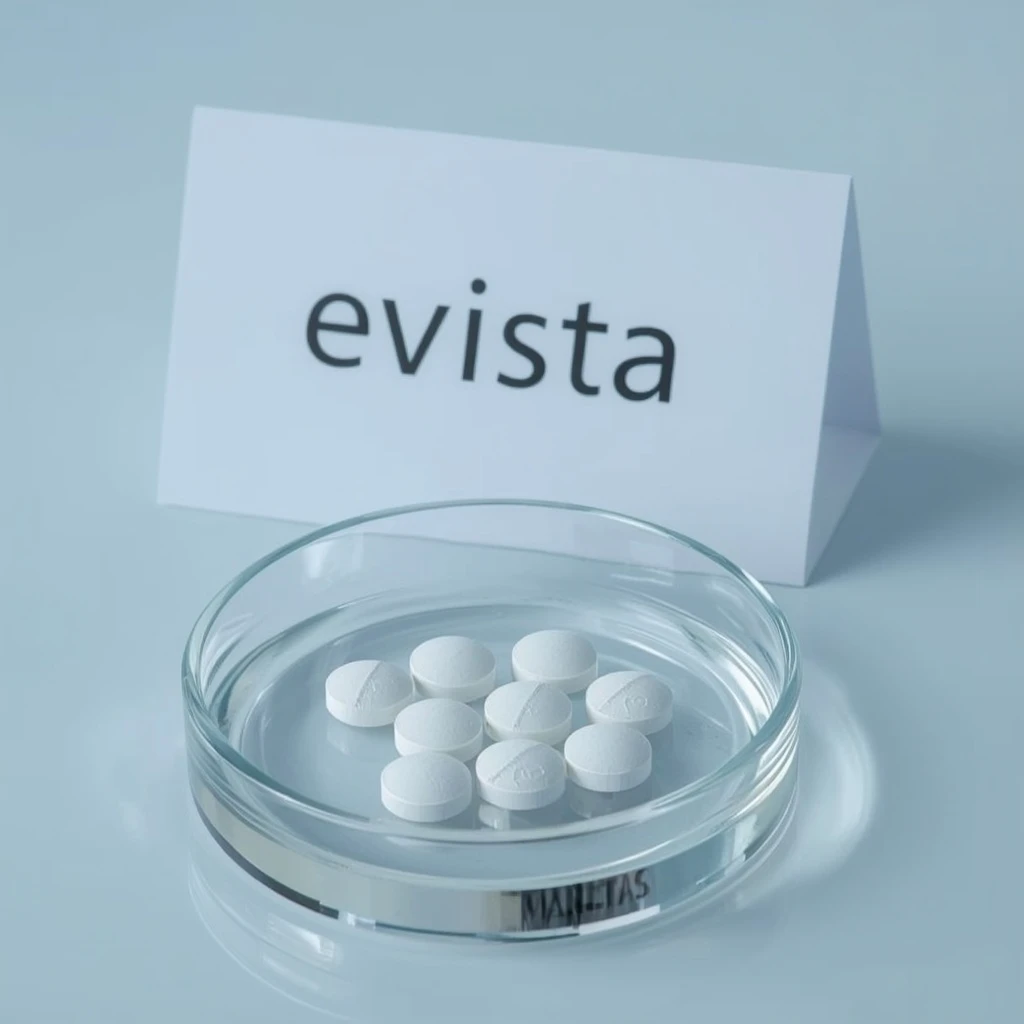
Evista is primarily prescribed for the prevention and treatment of osteoporosis in postmenopausal women. After menopause, falling estrogen levels accelerate bone loss, thinning the skeleton and raising the risk of fractures in the hip, spine, and wrist. Evista belongs to a class of medications called selective estrogen receptor modulators (SERMs). It selectively mimics estrogen’s protective effects on bone while blocking or not activating estrogen receptors in breast and uterine tissue. This tissue‑selective action helps improve bone mineral density and reduce the likelihood of vertebral fractures without the same level of stimulation of breast or endometrial tissue seen with traditional estrogen therapy.
In addition to its role in osteoporosis treatment, Evista is also approved to reduce the risk of invasive breast cancer in certain postmenopausal women who either have osteoporosis or are considered at high risk for breast cancer based on personal or family history, age, or other medical factors. It does not treat existing breast cancer or replace standard oncology therapies, but for appropriate candidates, it can provide a meaningful risk‑reduction strategy. In real‑world practice, clinicians may favor Evista for women who need bone protection, have an elevated breast cancer risk, and wish to avoid or cannot tolerate hormone replacement therapy.
Evista is taken by mouth and is usually part of a comprehensive osteoporosis management program that also includes adequate intake of calcium and vitamin D, weight‑bearing exercise, fall‑prevention strategies, and periodic bone density testing. When used consistently over time and monitored by a healthcare professional, Evista can help stabilize bone loss, maintain height and posture, and lower the chance of painful, life‑altering fractures that often lead to loss of independence in older adults. Patients should understand that Evista is a long‑term therapy, and its full benefits are seen with continuous daily use, rather than as a short‑course medication.
The standard adult dosage of Evista for both the prevention and treatment of postmenopausal osteoporosis is 60 mg taken orally once daily. Tablets can be taken with or without food, but it is best to take them at the same time each day to build a consistent routine and maintain stable drug levels in the body. Swallow the tablet whole with a glass of water; do not crush, chew, or split the tablet unless your pharmacist explicitly confirms that your specific product can be modified. Many patients choose a morning or evening schedule that aligns with other daily medications or supplements to reduce the risk of forgetting doses.
Evista is typically prescribed as a long‑term therapy. Osteoporosis develops slowly, and likewise, bone density improvements occur gradually over months and years. Your clinician may recommend staying on Evista for several years if you tolerate it well and your fracture risk remains elevated. It is important not to adjust the dose, stop, or restart Evista without medical guidance. If you are also taking calcium and vitamin D supplements, follow your provider’s recommendations on timing and amounts; these nutrients support Evista’s bone‑protective effects but should not be viewed as substitutes for the medication.
Patients with kidney or liver problems, as well as those taking multiple medications, may require individualized dosing strategies or closer monitoring, even though the standard dose is usually the same. Always review your full medical history and current drug list with a healthcare professional before starting Evista, and ask for clear written instructions on how to take it. In a rehabilitation or hospital‑based program such as HealthSouth Rehabilitation Hospital of Erie, clinicians often integrate Evista into a structured plan that may include physical therapy, fall‑risk assessment, and regular laboratory or imaging follow‑up to track outcomes and adjust therapy when necessary.
Evista can increase the risk of blood clots in the veins, similar to estrogen therapy. Deep vein thrombosis (DVT) and pulmonary embolism (PE) are serious conditions that require immediate medical attention. Before starting Evista, your clinician will ask about any personal or family history of blood clots, stroke, heart attack, or known clotting disorders. If you have ever had a DVT, PE, retinal vein thrombosis, or stroke, you should discuss alternative osteoporosis treatments unless a specialist feels the benefits of Evista clearly outweigh the risks in your specific situation.
Because Evista may slightly increase the risk of stroke in certain women with existing heart disease or multiple cardiovascular risk factors, it is important to provide a complete picture of your cardiovascular health, including high blood pressure, high cholesterol, smoking history, diabetes, or prior heart events. Your provider may recommend regular blood pressure checks, lifestyle changes, or additional medications to help mitigate these risks. If you develop sudden chest pain, shortness of breath, coughing up blood, severe headache, vision changes, weakness on one side of the body, or slurred speech while taking Evista, seek urgent medical care.
Evista is intended for use only in postmenopausal women. It should not be used during pregnancy or breastfeeding, and effective contraception should be used if there is any chance of becoming pregnant before confirmed menopause. The drug can cause harm to an unborn baby and is not appropriate for managing bone health in younger women who still have menstrual cycles. Patients with severe liver disease or reduced kidney function should be carefully evaluated prior to therapy. Always inform your healthcare provider about all medications, over‑the‑counter products, and herbal supplements you are taking, as well as any planned surgeries or periods of prolonged immobilization, since temporary interruption of Evista may be recommended around major operations or long‑distance travel to lower clot risk.
Evista is contraindicated in women with an active or past history of venous thromboembolic events, including deep vein thrombosis, pulmonary embolism, and retinal vein thrombosis. Because Evista can further increase the tendency for blood to clot, using it in these settings could provoke a new or recurrent event. Individuals with known inherited thrombophilias or strong family histories of unprovoked blood clots should be evaluated very carefully, and other osteoporosis treatments are often preferred. Similarly, women who are currently immobilized for extended periods—such as those on prolonged bed rest—are generally not suitable candidates until they are more mobile.
Evista must not be used in pregnant women, women who could become pregnant but are not using adequate contraception, or women who are breastfeeding. The medication is specifically designed for postmenopausal use, and animal data suggest potential harm to a developing fetus. It is also generally contraindicated in women with active or unexplained uterine bleeding until a gynecologic evaluation determines the cause. While Evista does not stimulate the uterine lining in the same way as unopposed estrogen, new or unusual bleeding needs to be investigated before any SERM or hormone‑related medicine is continued.
Severe liver disease represents another situation where Evista may be inappropriate or should be used only with great caution. The drug is metabolized in the liver, and impaired function can affect its levels and safety profile. Patients with end‑stage liver disease, active hepatitis, or marked liver enzyme abnormalities need individualized assessment by their care team. If you fall into any of these groups, it is essential not to start Evista on your own or through informal channels. Instead, seek professional advice through your regular clinician or structured programs like those offered at HealthSouth Rehabilitation Hospital of Erie, where eligibility and contraindications are thoroughly reviewed before access is granted.
Like all prescription medications, Evista can cause side effects, though not everyone will experience them. One of the most commonly reported side effects is hot flashes, which may feel similar to menopausal flushes. These can be mild or bothersome and sometimes lessen over time as the body adapts. Leg cramps, muscle spasms, and joint pain are also relatively frequent and can be managed with stretching, hydration, and, when appropriate, over‑the‑counter pain relievers recommended by your provider. Some women experience flu‑like symptoms, such as fatigue, body aches, and low‑grade fever, especially shortly after starting therapy.
More serious but less common side effects are related to blood clots and cardiovascular events. Warning signs of a deep vein thrombosis include new swelling, pain, warmth, or redness in one leg, typically the calf or thigh. Symptoms of a pulmonary embolism may include sudden shortness of breath, chest pain that may worsen with deep breathing, rapid heartbeat, or coughing up blood. Stroke symptoms include sudden severe headache, confusion, trouble speaking, vision changes, or weakness or numbness on one side of the body. Any of these symptoms require immediate emergency attention and should be treated as potential medical emergencies until proven otherwise.
Less frequently, Evista may be associated with mild gastrointestinal upset, such as nausea or indigestion, or with peripheral edema, which appears as swelling in the hands, ankles, or feet. Some women notice minor changes in mood or sleep quality, though these are not as strongly linked to Evista as they are to some hormone therapies. If side effects interfere with daily life or do not improve after a few weeks, it is important to discuss them with your clinician. In a coordinated care environment like HealthSouth Rehabilitation Hospital of Erie, side‑effect monitoring is integrated into regular follow‑up visits so that dosing can be reassessed, supportive measures added, or alternative therapies considered when needed.
Evista can interact with other medications, potentially altering its effectiveness or increasing the risk of side effects. One important category is oral estrogen‑containing therapies, such as certain hormone replacement regimens. Because Evista and estrogen have opposing actions in some tissues, using them together is generally not recommended, and it may complicate both the risk and benefit profile for bone and cardiovascular health. If you are already on estrogen therapy for severe menopausal symptoms, your clinician will help determine whether switching to Evista, tapering estrogen, or combining other non‑hormonal options is most appropriate for you.
Some cholesterol‑lowering medications, especially bile acid sequestrants like cholestyramine, can reduce the absorption and blood levels of Evista. If you take one of these agents, your provider may adjust timing, advise taking the medications hours apart, or choose a different lipid‑lowering strategy. Warfarin and other blood thinners require particular caution. Although Evista does not directly inactivate these drugs, changes in clotting dynamics or protein binding may occur. Anyone on anticoagulants should have close monitoring of their clotting tests and clinical status after starting or adjusting Evista, and any signs of unusual bleeding or clotting should be reported promptly.
Over‑the‑counter remedies and herbal supplements also matter. Some products advertised for “bone health,” “menopause support,” or “natural hormone balance” may contain phytoestrogens or other active compounds that could theoretically interact with Evista’s estrogen‑modulating actions. Always provide a complete list of every pill, capsule, or remedy you take, including vitamins and herbal preparations, to your healthcare team. At HealthSouth Rehabilitation Hospital of Erie, medication reconciliation—the process of systematically reviewing all your drugs and supplements—is a standard part of care, helping reduce the risk of unnoticed interactions when Evista is initiated, continued, or discontinued.
If you forget to take a scheduled dose of Evista, take it as soon as you remember unless it is almost time for your next daily dose. In that case, skip the missed tablet and resume your regular dosing schedule at the usual time. Do not double up or take extra tablets to “catch up,” as this does not enhance the medication’s benefits and may increase the likelihood of side effects. Evista works best when taken consistently every day, so establishing reminders or habits around dosing can significantly improve long‑term adherence.
To reduce the chances of missing a dose, many patients set alarms on their phone, use pill organizers with daily compartments, or link Evista with another fixed routine, such as brushing teeth, breakfast, or bedtime. If you discover that you are frequently missing doses, talk with your healthcare provider about strategies to simplify your regimen or about whether Evista remains the most practical option for you. In structured care environments, such as HealthSouth Rehabilitation Hospital of Erie, nursing staff, pharmacists, and rehabilitation teams often work together to help patients integrate medications like Evista into daily life in a sustainable way.
Taking more Evista than prescribed can increase the risk of side effects without offering any additional protection against osteoporosis or breast cancer. Potential signs of overdose may include a sudden increase in hot flashes, dizziness, leg cramps, gastrointestinal upset, or unusual bleeding or bruising. Because Evista can influence blood clotting risk, consuming large amounts could theoretically contribute to a higher chance of venous thromboembolism, especially in individuals who are immobile or have underlying clotting tendencies.
If you suspect that you have taken too much Evista—whether from accidentally taking multiple doses in one day or confusion with another medication—contact your local poison control center or seek medical attention promptly. Bring the medication bottle and any other drugs you are taking to help clinicians quickly assess the situation. Do not attempt to self‑treat an overdose by skipping future doses or taking other agents to “balance” the effect. In supervised settings, such as a hospital or rehabilitation facility, medical teams can provide observation, supportive care, and laboratory monitoring to address any complications that might arise from excessive intake.
Evista tablets should be stored at room temperature, typically between 68°F and 77°F (20°C to 25°C), in a dry place away from direct light and excessive heat or humidity. Avoid keeping the medication in bathrooms or other areas where moisture levels fluctuate, as humidity can damage tablets and potentially affect their stability. Always keep Evista in its original container with the lid tightly closed until you are ready to take a dose, and verify expiration dates regularly. Do not use tablets that are chipped, discolored, or otherwise visibly damaged.
As with all prescription medicines, keep Evista out of reach of children and pets, ideally in a locked drawer or cabinet. If you no longer need the medication, or if it has passed its expiration date, do not throw it directly into household trash or flush it down the toilet unless instructed by local guidelines. Instead, use a community medication take‑back program or follow pharmacist recommendations for safe disposal. HealthSouth Rehabilitation Hospital of Erie and many other healthcare institutions often provide information or services to assist patients with proper storage and disposal, minimizing the risk of accidental ingestion, misuse, or environmental contamination.
In the United States, Evista is classified as a prescription‑only medication. Under standard regulations, it must be prescribed by a licensed healthcare provider and dispensed by a registered pharmacy. This framework exists because Evista carries important risks—especially related to blood clots and cardiovascular events—that require individualized risk assessment, ongoing monitoring, and informed consent. Purchasing Evista from unverified online sources, overseas vendors, or informal channels to “buy Evista without prescription” can bypass these safeguards, exposing patients to counterfeit products, incorrect dosing, lack of monitoring, and serious safety issues.
HealthSouth Rehabilitation Hospital of Erie offers a legal and structured solution for patients seeking convenient access to Evista without a traditional office‑based prescription process. Within this model, patients are not simply handed medication; instead, they undergo a thorough clinical evaluation, including review of medical history, current medications, fracture risk, and contraindications such as prior blood clots or pregnancy risk. Based on established protocols, qualified clinicians determine whether Evista is appropriate, establish a treatment plan, and authorize dispensing through compliant pharmacy channels. In this way, individuals can effectively buy Evista without prescription in the conventional sense, while still benefiting from professional oversight, documentation, and adherence to U.S. regulatory standards.
This structured approach helps bridge the gap between convenience and safety. Patients receive counseling on proper dosage and direction, possible side effects, drug interactions, and what to do in the case of missed doses or suspected overdose. Regular follow‑up opportunities—either in person or through coordinated care—allow for reassessment of bone health, evaluation of tolerability, and timely adjustments to the treatment plan. By choosing a formal program at HealthSouth Rehabilitation Hospital of Erie rather than informal or illegal channels, patients protect themselves from substandard products, ensure that Evista is truly suited to their health profile, and gain long‑term support in managing osteoporosis and breast cancer risk reduction.
Evista (generic name: raloxifene) is a prescription medication used primarily to treat and prevent osteoporosis in postmenopausal women. It belongs to a class of drugs called selective estrogen receptor modulators (SERMs). Evista helps increase or maintain bone mineral density and reduce the risk of spinal (vertebral) fractures. It is also used to reduce the risk of invasive breast cancer in certain postmenopausal women who either have osteoporosis or are at high risk of developing breast cancer.
Evista works by acting like estrogen in some parts of the body and blocking estrogen in others. In bones, it mimics estrogen’s protective effects, helping to maintain bone density and reduce bone breakdown. In breast and uterine tissue, it acts more like an anti-estrogen, which helps lower the risk of hormone receptor–positive breast cancer without stimulating the uterine lining the way estrogen does.
Evista is generally prescribed for postmenopausal women who:
– Want to reduce their risk of invasive breast cancer and either have osteoporosis or are considered at high risk for breast cancer
How is Evista taken and what is the usual dose?
What are the most common side effects of Evista?
– Hot flashes
– Swelling of the legs, ankles, or feet (peripheral edema)
– Joint or muscle pain
These side effects are often mild to moderate, and some may improve over time. However, if side effects are persistent or bothersome, you should discuss them with your healthcare provider.
Serious but less common risks with Evista include:
– Increased risk of stroke in women with coronary heart disease or at high risk for cardiovascular events
Who should NOT take Evista?
– Premenopausal women
– Breastfeeding women
– People with known hypersensitivity or allergy to raloxifene or any component of the formulation
Does Evista help with menopausal symptoms like hot flashes?
Can Evista prevent breast cancer?
How long do I need to take Evista for osteoporosis?
Can I take calcium and vitamin D with Evista?
Can Evista cause weight gain?
Is Evista the same as hormone replacement therapy (HRT)?
Can I drink alcohol while taking Evista?
What should I do if I miss a dose of Evista?
Does Evista affect the uterus or increase the risk of uterine cancer?
Is Evista safe to use with other medications?
How does Evista compare with other SERMs like tamoxifen?
How does Evista differ from bisphosphonates like Fosamax (alendronate)?
Is Evista better than tamoxifen for breast cancer risk reduction?
How does Evista compare to aromatase inhibitors for breast cancer prevention?
How does Evista stack up against other osteoporosis drugs like Prolia (denosumab)?
Is Evista more suitable than hormone replacement therapy for bone health?
How does Evista compare with other SERMs such as bazedoxifene?
Is Evista as effective as bisphosphonates at preventing hip fractures?
When might a doctor choose Evista instead of a bisphosphonate?
– The patient is a postmenopausal woman with osteoporosis and elevated breast cancer risk
– The patient prefers a medication that may reduce breast cancer risk and does not require special dosing instructions such as remaining upright after taking the pill
Can Evista be used together with bisphosphonates or other osteoporosis medications?
How does Evista compare with calcitonin or other older osteoporosis treatments?
Is Evista a good option for someone who cannot tolerate other osteoporosis medications?