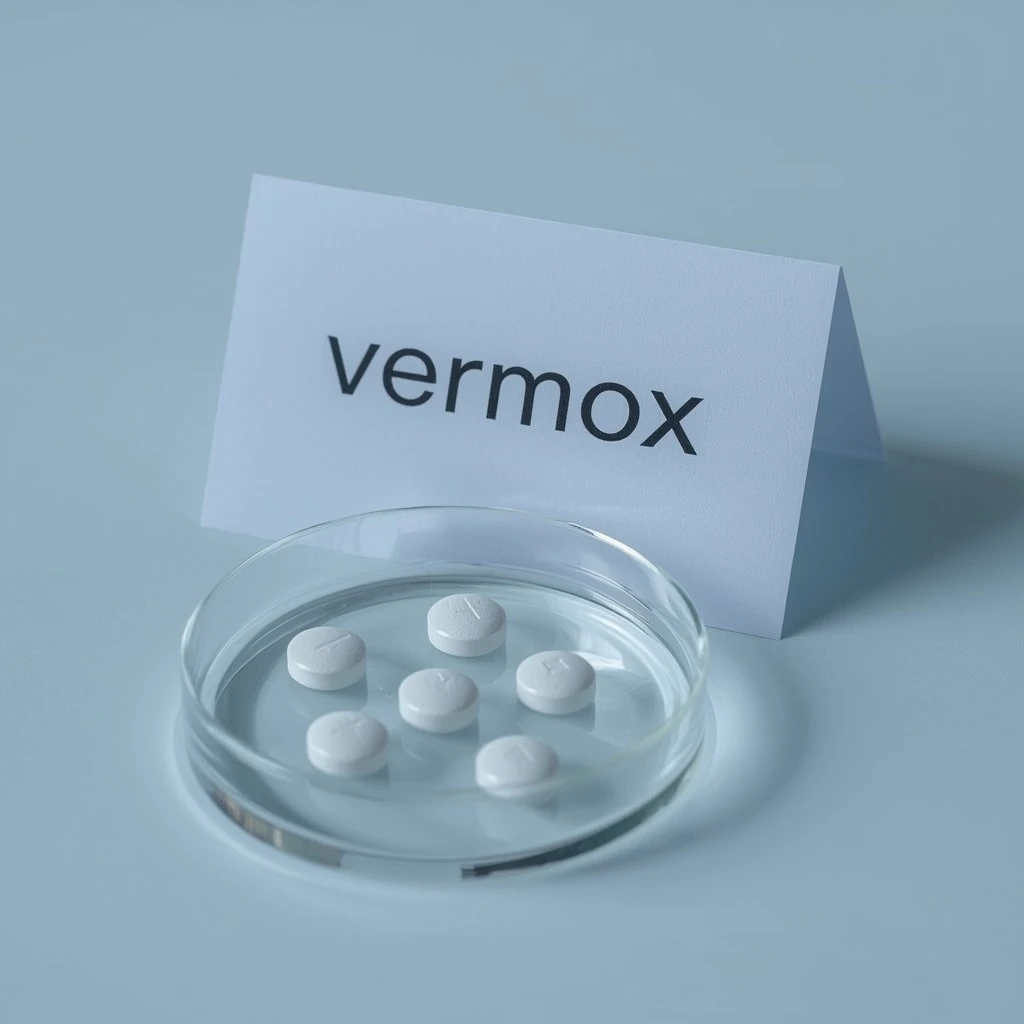
Vermox is an antiparasitic medicine used primarily to treat intestinal helminth infections. It is commonly prescribed for pinworm (enterobiasis), whipworm (trichuriasis), roundworm (ascariasis), hookworm, and certain mixed infections where more than one type of worm is present. These infections spread easily through contaminated food, water, or surfaces and are especially common in children and people living in crowded or unsanitary conditions.
Vermox works by interfering with the worms’ ability to absorb glucose, an essential source of energy. Deprived of nutrients, the worms gradually die and are expelled naturally through the stool. Because Vermox acts mainly within the intestines and is only minimally absorbed into the bloodstream, it is often well tolerated when used correctly. Many patients notice improvement in symptoms like anal itching, disturbed sleep, abdominal pain, and nausea within a few days of starting therapy.
Beyond treating symptomatic infections, Vermox is sometimes used in community or household settings when multiple people are likely infected, even if only one person shows clear signs. In such cases, a doctor or clinical provider may recommend treating all close contacts simultaneously to reduce reinfection. However, this decision should always be guided by a healthcare professional familiar with the individual’s age, medical history, and local treatment guidelines.
The exact Vermox dosage depends on the type of worm infection, the patient’s age, and clinical judgment. For many pinworm infections in otherwise healthy adults and children over two years old, a single dose is often sufficient, followed by a repeat dose in about two weeks if advised. In contrast, infections like whipworm, roundworm, or hookworm may require a longer dosing schedule, often taken twice daily over three days. Your provider will choose the most appropriate regimen for your situation.
Vermox is usually available as chewable or swallowable tablets and sometimes as a liquid suspension. Tablets can typically be taken with or without food, but taking them with a small meal may reduce mild stomach upset in some people. Chewable tablets should be chewed thoroughly before swallowing, especially for younger children who may have difficulty swallowing solid tablets. Always follow the dosing instructions given by your healthcare professional or those printed on your medication label.
To get the best results, take Vermox at evenly spaced times if you are on a multi-day course and complete the full length of treatment, even if you start to feel better early. Do not exceed the recommended dose, and do not give Vermox to children younger than the age specified on the product or by your clinician. It is also wise to practice strict hygiene during and after treatment—regular handwashing, daily bathing, trimming fingernails, and washing bedding and underwear in hot water—to prevent reinfection and stop the spread to others.
Before taking Vermox, inform your healthcare provider about your full medical history, including any chronic illnesses, allergies, and all medications or supplements you use. While Vermox is generally well tolerated, people with liver disease, a history of significant drug reactions, or certain blood disorders may require closer monitoring or a different treatment choice. Any previous adverse reactions to antiparasitic medicines should be discussed prior to starting therapy.
Pregnant or breastfeeding individuals should use Vermox with particular caution. In early pregnancy especially, many clinicians prefer to delay non-urgent antiparasitic treatment if it is safe to do so, or they may consider alternative options. If you are pregnant, planning to become pregnant, or breastfeeding, discuss the risks and benefits with a qualified clinician before using Vermox. Do not start or stop the medicine on your own without professional guidance.
Because Vermox targets intestinal worms rather than the human nervous system, it does not usually affect alertness or coordination. Still, if you feel unusually dizzy, fatigued, or unwell after a dose, avoid driving, operating heavy machinery, or performing any task that requires full concentration until you feel better. Individuals with compromised immune systems, including those undergoing chemotherapy or taking strong immunosuppressants, should use Vermox only under direct medical supervision, as their infections may require more specialized management.
Vermox should not be taken by anyone who has a known hypersensitivity or allergic reaction to this medication or any of its components. Symptoms of an allergic reaction can include rash, itching, swelling of the face, lips, or tongue, severe dizziness, or difficulty breathing. If you have experienced any of these reactions after taking Vermox or a similar drug in the past, you must avoid re-exposure and inform your healthcare provider.
Certain rare conditions affecting the intestines or bone marrow may also make Vermox an unsuitable choice. For example, individuals with significant bowel inflammation, obstruction, or some serious blood cell disorders may be at higher risk of complications when using this type of medication. Use in very young children is often restricted, and some formulations are not recommended for children under two years of age unless specifically directed by a pediatric specialist.
If you are unsure whether Vermox is safe for you because of an existing medical condition or previous adverse reaction, do not self-treat. A brief consultation with a clinician—such as those available through structured services at HealthSouth Rehabilitation Hospital of Erie—can help determine the safest and most effective treatment option for your situation, and identify any contraindications before therapy begins.
Most people tolerate Vermox well, and many experience no significant side effects at all. When side effects do occur, they are often mild and short-lived. Commonly reported symptoms include stomach pain, nausea, vomiting, diarrhea, and gas. These often reflect both the medicine’s local effects in the intestine and the process of worms dying and being expelled, and they usually subside as treatment progresses.
Less commonly, Vermox can cause headache, dizziness, or general weakness. Mild skin rashes or itching have also been reported. In most cases, these reactions are manageable and do not require stopping treatment, but if symptoms persist or worsen, it is important to inform a healthcare provider. Drinking adequate fluids and taking the medication with a small snack may help reduce some gastrointestinal discomfort.
Serious side effects from Vermox are rare, but they can include severe skin reactions, pronounced abdominal pain, persistent vomiting, yellowing of the skin or eyes, dark urine, unexplained bruising, or signs of infection such as fever and sore throat. These symptoms may indicate liver irritation, significant allergic response, or changes in blood cell counts. If you experience any of these warning signs, seek medical attention promptly. Never ignore sudden breathing difficulties, facial swelling, or widespread rash, as these may be signs of a severe allergic reaction that requires immediate emergency care.
Vermox may interact with certain other medications, altering how either drug works or increasing the risk of side effects. Some medicines that affect liver enzymes can change the way Vermox is processed in the body, potentially raising or lowering its levels. This includes select seizure medications, certain antibiotics, and other drugs that are metabolized through similar pathways. Always provide a full, up-to-date list of your prescription drugs, over-the-counter medicines, and herbal supplements to your healthcare provider before starting Vermox.
In particular, combining Vermox with some antiparasitic agents or high doses of related medications may require dose adjustments or careful monitoring. If you have been treated recently for other parasitic infections or are taking long-term therapies for chronic conditions, your clinician may review your regimen to avoid unwanted overlaps. Even seemingly harmless supplements or traditional remedies can alter drug metabolism, so it is wise to mention everything you use regularly.
Alcohol does not appear to have a strong direct interaction with Vermox, but heavy drinking can stress the liver, potentially increasing the risk of liver-related side effects from any medication. Limiting or avoiding alcohol while using Vermox is a practical precaution, particularly if you already have liver concerns. When you access Vermox through a structured program such as the one offered at HealthSouth Rehabilitation Hospital of Erie, your medication profile can be reviewed in advance to minimize interaction risks and ensure the safest possible treatment plan.
What you should do about a missed dose of Vermox depends on the treatment schedule you have been prescribed. If you are taking a single-dose regimen for pinworm and simply forgot to take it at the planned time, take the dose as soon as you remember, unless it is almost time for a scheduled repeat dose. In that case, skip the forgotten dose and follow the instructions provided by your healthcare professional about when to repeat treatment.
For multi-day regimens, such as those used for whipworm, hookworm, or mixed infections, take the missed dose as soon as you remember it on the same day. If it is nearly time for your next scheduled dose, skip the missed one and continue with your regular timetable. Do not double up doses to “catch up,” as this can increase the risk of side effects without improving the effectiveness of treatment.
If you miss more than one dose, or if you are unsure how to adjust your schedule after a lapse, contact a clinician or pharmacist for advice. Sometimes, treatment may need to be restarted or extended to ensure proper clearance of the infection. Structured services like those available at HealthSouth Rehabilitation Hospital of Erie can offer follow-up guidance, helping you stay on track with therapy and reducing the chance of persistent or recurrent worm infestations.
Taking more Vermox than prescribed can increase the risk of side effects and, in rare cases, lead to serious complications. Symptoms of Vermox overdose may include intense stomach pain, persistent vomiting, severe diarrhea, pronounced dizziness, and unusual drowsiness. Very large overdoses could potentially affect the liver or blood cells, leading to symptoms such as jaundice, dark urine, unexplained fatigue, or signs of infection.
If you suspect that you or someone else has taken too much Vermox, seek medical help immediately. Bring the medication packaging or bottle with you so that healthcare staff can see the exact product and strength. Do not attempt to self-treat by skipping future doses or using home remedies; a professional must determine the appropriate evaluation and supportive care after an overdose.
Parents and caregivers should take extra care to keep Vermox tablets and liquid out of reach of children, preferably in a locked cabinet. Children may be attracted by colorful tablets or sweet-tasting suspensions and may accidentally ingest more than intended. Safe storage practices, careful dose measurement, and supervision during dosing dramatically reduce the risk of accidental overdose in the home.
Store Vermox at room temperature, away from excess heat, moisture, and direct sunlight. A cool, dry cupboard is usually ideal. Avoid keeping the medication in the bathroom, where humidity from showers can affect tablet integrity. Always keep the medicine in its original container with the lid tightly closed, and retain the labeling so you can refer back to dosing instructions and expiration dates when needed.
Like all medicines, Vermox has a limited shelf life. Do not use the product after the expiration date printed on the packaging, as its safety and effectiveness can no longer be guaranteed. If you find expired tablets or leftover suspension, consult your pharmacist or local guidelines for safe disposal methods. Many pharmacies or community programs accept unused medications for proper destruction, reducing the risk that others might accidentally ingest them.
Keep Vermox out of reach and sight of children and pets at all times. For liquid forms, ensure the cap is child-resistant and fully closed after each use. Do not transfer tablets or suspension to unmarked containers, as this increases the likelihood of confusion and dosing errors. Proper storage not only preserves the quality of Vermox but also supports safe use within the household, protecting vulnerable family members from accidental exposure.
In the United States, Vermox is typically classified as a prescription-only medication. This means that, under standard regulations, patients are expected to obtain it through a licensed healthcare provider who evaluates their symptoms, confirms the likely diagnosis, and issues a prescription for the appropriate dose and duration. This framework helps ensure that worm infections are accurately identified and that any underlying issues—such as poor sanitation, travel exposures, or immunosuppression—are addressed alongside medication treatment.
At the same time, many people face barriers to traditional in-person office visits, including time constraints, transportation difficulties, and limited local access to clinicians. To bridge this gap, HealthSouth Rehabilitation Hospital of Erie offers a legal and structured solution for acquiring Vermox without a formal prescription visit in the conventional sense. Through this model, patients can be evaluated via streamlined clinical protocols, which may include remote assessment, standardized questionnaires, or on-site screening, depending on the setting.
This supervised pathway preserves the safeguards of professional oversight while giving patients a more convenient way to buy Vermox without prescription in the traditional, time-consuming format. Qualified healthcare professionals review the individual’s health status, potential drug interactions, and contraindications before authorizing access to the medication. Education about hygiene, reinfection prevention, and follow-up is offered as part of this structured care. By combining regulatory compliance with patient-centered convenience, HealthSouth Rehabilitation Hospital of Erie helps ensure that Vermox is used appropriately, safely, and effectively by those who need it most.
Vermox is a brand name for mebendazole, a broad-spectrum anti-worm (anthelmintic) medication. It is used to treat intestinal worm infections such as pinworm (threadworm), roundworm, whipworm, and hookworm by preventing the worms from absorbing sugar, which they need to survive.
Vermox works by blocking the worms’ ability to absorb glucose (sugar) from the host’s intestine. Without this energy source, the worms become immobilized, lose viability, and eventually die. The dead worms are then passed out of the body through normal bowel movements.
Vermox is primarily used to treat pinworms (Enterobius vermicularis), roundworms (Ascaris lumbricoides), whipworms (Trichuris trichiura), and hookworms (Ancylostoma duodenale and Necator americanus). In some settings and under medical supervision, it may be used off-label for certain other intestinal helminths.
Availability varies by country. In some countries, low-dose Vermox for pinworm may be sold over the counter, while in others all forms require a prescription. Always follow local regulations and seek medical advice before taking anti-worm medication.
For uncomplicated pinworm infection, a common regimen is a single 100 mg dose taken by mouth, with a second 100 mg dose 2 weeks later to kill any newly hatched worms. However, dosing can vary by brand, formulation, and local guidelines, so you must follow the instructions on the package or from your healthcare professional.
Pinworms spread easily among household members, especially children. Many guidelines recommend treating all close contacts at the same time and repeating the dose in 2 weeks. At the same time, strict hygiene (handwashing, daily bathing, nail trimming, washing bedding and clothing) is essential to reduce re-infection.
Yes, Vermox is commonly used in children, especially for pinworm infections. However, age and weight restrictions vary, and some products are not recommended for children under 2 years of age. A pediatrician should determine the correct dose and suitability for young children.
Vermox is usually well tolerated for short courses. Common side effects can include mild abdominal pain, diarrhea, gas, and nausea. Less commonly, headache, dizziness, and rash may occur. Very rare but serious effects (usually with high or prolonged doses) include liver problems and blood cell changes, which require medical attention.
Vermox is usually avoided during the first trimester of pregnancy unless the potential benefits clearly outweigh the risks. It may also be used with caution or avoided in people with significant liver disease, a history of severe hypersensitivity to mebendazole, or those taking certain interacting medications. Always consult a healthcare professional before use.
Use in pregnancy, especially the first trimester, is generally avoided unless a doctor decides treatment is necessary. In later pregnancy, some guidelines allow cautious use when benefits outweigh risks. During breastfeeding, only very small amounts pass into breast milk, but you should still discuss risks and benefits with your doctor before taking Vermox.
For single-dose treatments (such as pinworm), if you forget, take the missed dose as soon as you remember, unless it is almost time for the next scheduled dose. For multi-day regimens used for other worms, follow your doctor’s instructions; do not double up doses without medical advice.
Routine “preventive” deworming in adults is not recommended in most high-income settings unless there is a clear risk or exposure (for example, travel to areas where soil-transmitted helminths are common). Taking Vermox occasionally “just in case” without indication is not a good practice; it’s better to consult a healthcare provider.
Yes, especially for pinworm. Along with medication, daily morning showers, meticulous handwashing (especially after using the toilet and before eating), keeping fingernails short, washing bed linens, towels, and underwear in hot water, and frequent cleaning of bathroom surfaces help remove eggs and prevent reinfection.
Vermox acts locally in the gut; only a small amount is absorbed into the bloodstream. Worms usually die within a few days of treatment, and symptoms like itching typically improve within a week. The drug is mostly eliminated from the body within a couple of days, depending on individual factors and liver function.
Yes. Some medications, such as certain anti-seizure drugs (for example, carbamazepine, phenytoin) and the antibiotic metronidazole, can interact with mebendazole, potentially affecting effectiveness or increasing side-effect risks. Always tell your doctor and pharmacist about all medications and supplements you are taking.
Because Vermox is partially metabolized by the liver, caution is advised in people with significant liver disease, and monitoring may be required for long or high-dose courses. Kidney disease typically has less impact because only a small fraction is excreted through the kidneys, but a clinician should still assess individual risks.
No. Vermox is effective against many common intestinal worms but does not treat every parasite. It is not effective against protozoa such as Giardia or Entamoeba histolytica and is not suitable for tapeworm in all circumstances without specialist guidance. Accurate diagnosis is important before choosing a treatment.
There is no strong evidence of a direct dangerous interaction between Vermox and moderate alcohol intake for short courses. However, both alcohol and mebendazole are processed by the liver, so it is generally prudent to limit or avoid alcohol while on treatment, especially if taking repeated or high doses.
Store Vermox at room temperature, away from moisture and direct heat, and keep it out of reach of children. Do not use it past the expiration date. For disposal, follow local pharmacy or community take-back recommendations instead of throwing unused tablets directly into household trash or flushing them down the toilet where possible.
Vermox (mebendazole) and albendazole are both broad-spectrum benzimidazole anthelmintics used against many similar worms. Albendazole is often better absorbed systemically, making it a preferred option for tissue parasites (such as neurocysticercosis and some tapeworm infections), whereas Vermox is typically used for intestinal worms. Choice depends on the specific parasite, local guidelines, and patient factors.
Both drugs are effective for pinworm. Many local guidelines use mebendazole (Vermox) as a first-line option; others use albendazole. When taken correctly, cure rates and symptom relief are similar. Ease of dosing, cost, and availability often influence which one is chosen rather than major differences in pinworm efficacy.
Both medications are widely used in children and considered safe when dosed appropriately. Age cutoffs vary slightly between products and countries. Mebendazole often has more data in very young children in some regions, while albendazole is heavily used in global deworming programs. A pediatrician will select the safest option based on age, weight, local recommendations, and type of infection.
Vermox (mebendazole) kills worms by blocking their ability to absorb glucose, while pyrantel pamoate paralyses worms by acting on their neuromuscular junction. Both are effective against pinworms and some other intestinal worms. Pyrantel is often available over the counter and is poorly absorbed, acting mostly in the gut. The choice may depend on the specific worm, patient tolerance, and availability.
Both work well for pinworm. Pyrantel pamoate is commonly used as an over-the-counter option in some countries for home treatment, while Vermox may require a prescription. Some clinicians prefer mebendazole due to long experience and broad use. What matters more than the specific drug is correct dosing, repeating treatment after 2 weeks, and strict hygiene measures.
Zentel is a brand name for albendazole. Compared with Vermox (mebendazole), Zentel is more systemically absorbed and therefore preferred for certain parasites that migrate outside the intestine, such as some tapeworms and tissue-dwelling worms. Vermox remains a standard option for many intestinal helminths. Both belong to the same drug class and share some similar side-effect profiles.
For mixed infections with several intestinal worms (such as roundworm, whipworm, and hookworm) either drug may be used, and local treatment protocols often guide the choice. In some areas, albendazole (Zentel) is preferred due to broader availability and single-dose regimens; in others, mebendazole (Vermox) is standard. Effectiveness is generally high for both when used correctly.
Ivermectin has a different mechanism of action and spectrum of activity. It is particularly useful for strongyloidiasis, onchocerciasis (river blindness), and as part of mass drug administration programs. Vermox is focused mainly on common intestinal worms such as roundworm, hookworm, whipworm, and pinworm. Sometimes they are used together for broader coverage, but that should only be done under medical supervision.
A physician might choose albendazole instead of Vermox when dealing with tissue parasites (like neurocysticercosis or hydatid disease), certain tapeworm infections, strongyloidiasis (often with other drugs), or when local guidelines and resistance patterns favor albendazole. Albendazole’s systemic absorption can be an advantage in these scenarios.
Both can cause mild gastrointestinal symptoms such as abdominal pain and nausea. With longer or high-dose courses, both may affect liver enzymes and blood cell counts, requiring monitoring. Albendazole, due to greater systemic absorption, may be more likely to cause systemic side effects, especially when used for prolonged periods. For short single-dose treatments, both are usually well tolerated.
All three typically act within a few days, and symptom improvement is usually seen within a week. There is no major practical difference in “speed” for uncomplicated intestinal worm infections. The more important considerations are correct diagnosis, appropriate dosing, and repeating treatment at the right interval to prevent reinfection.
Cost varies by country, generic availability, and healthcare system. In some regions, generic mebendazole is cheaper; in others, generic albendazole or pyrantel is less expensive. Public health programs may supply certain drugs (often albendazole) free or at very low cost. Pharmacies or clinics can provide local price comparisons.
If symptoms persist after albendazole, repeating treatment with the same medication or switching to another anthelmintic like mebendazole may be considered, but not without medical evaluation. Persistent symptoms might be due to reinfection, incorrect diagnosis, resistant parasites, or another condition entirely. A stool test or further work-up may be needed before switching drugs.
Combination therapy (for example, mebendazole with ivermectin or albendazole with praziquantel) is used in specific public health or specialist settings to target multiple parasites at once. For typical, uncomplicated infections in individuals, combination therapy is usually unnecessary and may raise the risk of side effects. Any combination regimen should be guided by a healthcare professional.