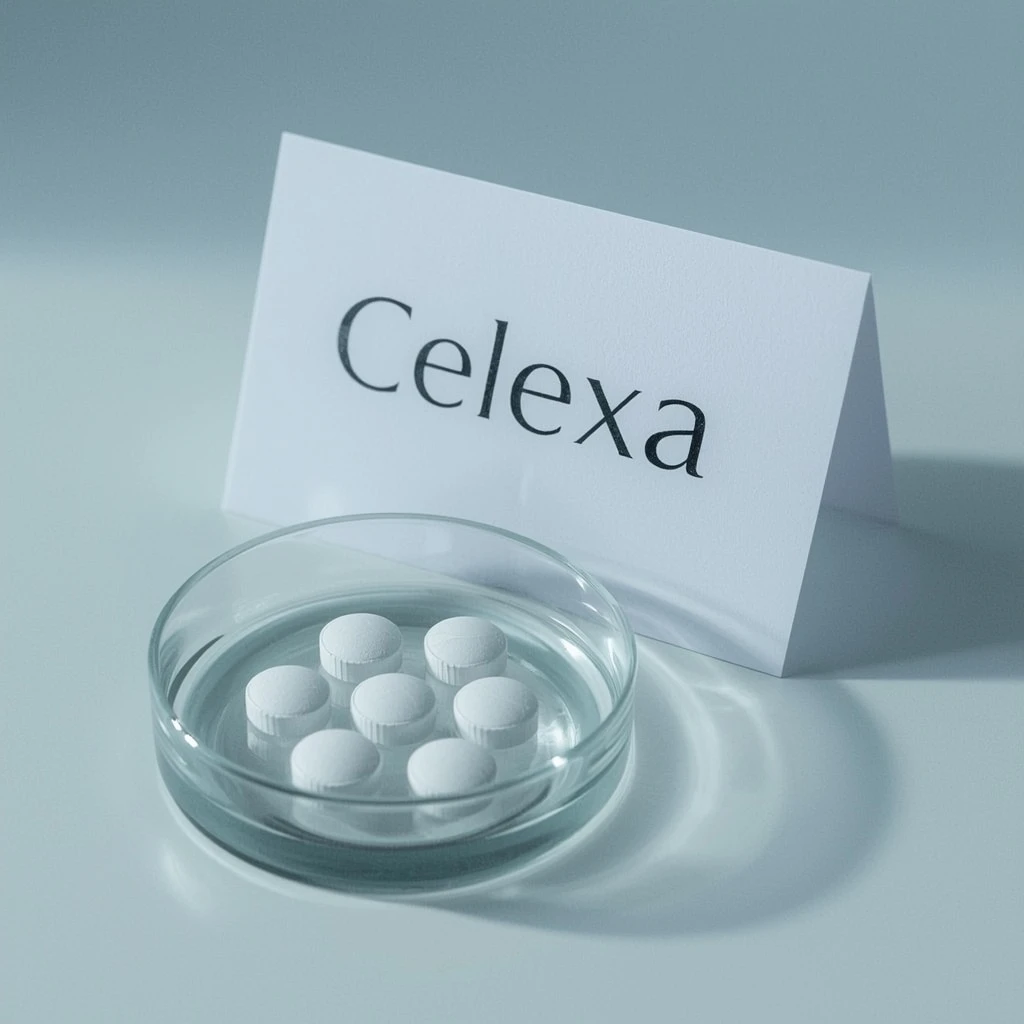
Celexa (citalopram) is primarily used to treat major depressive disorder in adults. It is an SSRI, or selective serotonin reuptake inhibitor, which means it works by increasing the availability of serotonin, a key neurotransmitter involved in mood regulation, emotional balance, and overall mental well‑being. By gently adjusting serotonin signaling, Celexa can help reduce core symptoms of depression such as persistent sadness, loss of interest in usual activities, fatigue, irritability, and feelings of guilt or worthlessness.
Clinicians may also use Celexa off‑label for certain anxiety-related conditions, including generalized anxiety symptoms, social anxiety features, and panic-like distress, when they overlap with or stem from depression. Some patients notice improvements not only in mood, but also in sleep quality, appetite, and their ability to focus on work, relationships, and daily tasks. However, the response to any antidepressant is individualized; some people experience significant relief, others more modest improvement, and a few may not respond adequately and need a different medication or a combination of therapy and medication.
It is important to understand that Celexa is not a fast-acting medication. Most people do not feel immediate changes in mood. Instead, benefits build gradually over time as the brain adapts. Many patients begin to notice subtle improvements in sleep, energy, or anxiety within one to two weeks, but the full antidepressant effect can take four to six weeks or longer. Because of this delayed onset, consistency is more important than quick results. Taking the medication exactly as directed and continuing through the early weeks, even if improvement feels slow, gives Celexa a fair chance to work.
Celexa is generally used as part of a broader mental health plan. Evidence shows that combining medication with psychotherapy, such as cognitive behavioral therapy (CBT), lifestyle adjustments, and social support leads to better long‑term outcomes than relying on medication alone. Celexa can provide the biological support needed to engage more fully in therapy, regain motivation, and reestablish healthy routines such as regular sleep, exercise, and balanced nutrition.
Because depression and anxiety can be chronic or recurrent, Celexa is often prescribed not just for acute symptom relief but also for maintenance treatment. After a patient feels well, many clinicians recommend continuing the same dose for at least six to twelve months to reduce the risk of relapse. In cases of repeated depressive episodes, long‑term or even indefinite treatment may be considered. The decision to continue, adjust, or eventually taper Celexa should always be made collaboratively with a healthcare professional, weighing symptom history, side effects, quality of life, and personal preference.
Typical starting doses of Celexa for adults with depression are 10 to 20 mg taken once daily, usually in the morning or evening at the same time each day. The dose may be increased gradually, based on how well symptoms improve and how well the patient tolerates the medication. Many adults stabilize at 20 mg per day, while some may require up to 40 mg daily. Higher doses are generally avoided due to a greater risk of heart rhythm changes, including QT interval prolongation, so current guidelines emphasize using the lowest effective dose.
Celexa can be taken with or without food. Swallow the tablet whole with a glass of water; do not crush or chew unless a healthcare provider specifically instructs otherwise. Consistent timing helps keep the amount of medication in the bloodstream relatively stable, which supports smoother mood regulation and may reduce side effects. If Celexa causes drowsiness, some patients prefer taking it in the evening. If it causes restlessness or insomnia, morning dosing may be better.
Dose adjustments should never be made abruptly or without guidance. If depressive symptoms remain significant after several weeks at a stable dose, a clinician may increase the dose slowly, monitor side effects, and reassess response. Rapid changes can increase the likelihood of side effects such as nausea, headache, anxiety flare, or sleep disruption. It is common for doctors to reassess the dose at intervals of two to four weeks early in treatment.
Celexa is not recommended at doses above 40 mg per day due to the risk of cardiac side effects. For adults older than 60, those with liver impairment, or those taking certain interacting medications, the maximum recommended dose is often 20 mg daily. Patients with kidney or liver disease may require lower doses and extra monitoring. Always share a full medical history and medication list with a healthcare professional before starting Celexa so the dose can be tailored safely.
Stopping Celexa suddenly can trigger discontinuation symptoms such as dizziness, flu‑like feelings, irritability, vivid dreams, or a return of depressive or anxious symptoms. When it is time to discontinue, a gradual taper under professional supervision is strongly advised. The exact tapering schedule depends on the dose, duration of use, and individual sensitivity to dose changes. HealthSouth Rehabilitation Hospital of Erie can provide structured guidance and periodic check‑ins to make this process safer and more comfortable.
Before starting Celexa, it is essential to discuss your complete medical and mental health history with a clinician. Certain conditions require extra caution, including bipolar disorder, seizure disorders, bleeding problems, heart disease, liver or kidney impairment, and a history of serotonin syndrome. People with bipolar disorder are at risk for antidepressant‑induced mania or rapid cycling, so screening for past manic or hypomanic episodes is particularly important. If you have ever experienced unusually high energy, decreased need for sleep, racing thoughts, or impulsive behavior, share this with your provider before using Celexa.
Celexa can affect heart rhythm by prolonging the QT interval on an electrocardiogram, especially at higher doses or in those with existing heart disease or electrolyte imbalances. Patients with a history of heart failure, recent heart attack, slow heart rate, or congenital long QT syndrome may need an ECG before and periodically during treatment. Low levels of potassium or magnesium can increase risk, so correcting these imbalances and avoiding unnecessary high doses plays a key role in safer antidepressant therapy.
Celexa and other SSRIs can increase the risk of bleeding, particularly when combined with blood thinners, aspirin, or nonsteroidal anti‑inflammatory drugs like ibuprofen or naproxen. Anyone with a history of easy bruising, bleeding disorders, stomach ulcers, or recent surgery should discuss this risk with a clinician. Reporting unusual nosebleeds, black or bloody stools, vomiting blood, or significant bruising during treatment is critical for early intervention.
Another important precaution involves mood and behavior changes, especially in younger adults. Antidepressants, including Celexa, carry a boxed warning about increased risk of suicidal thoughts and behaviors in children, adolescents, and young adults in the initial weeks of treatment or after dose adjustments. Close monitoring by family members, caregivers, and healthcare professionals is essential. Watch for new or worsening agitation, irritability, panic, insomnia, impulsivity, or talk of self‑harm, and seek help promptly if these occur.
Pregnant or breastfeeding individuals should approach Celexa use carefully. Untreated depression during pregnancy has its own risks, but antidepressant exposure may carry potential effects on the fetus or newborn, including rare neonatal adaptation symptoms such as jitteriness or feeding difficulties. Decisions about Celexa in pregnancy or lactation should be individualized, balancing the severity of maternal symptoms with potential risks, and ideally coordinated among obstetric, psychiatric, and pediatric providers. Alcohol and recreational drugs can undermine Celexa’s effectiveness and increase side effects, so limiting or avoiding them is advised while on therapy.
Some individuals should not take Celexa at all due to clear contraindications. The most absolute is a known allergy or hypersensitivity to citalopram or any component of the tablet. Symptoms of an allergic reaction can include rash, itching, swelling of the face or throat, severe dizziness, or difficulty breathing. Anyone who has experienced such a reaction to Celexa or closely related medications should avoid re‑exposure and seek alternative treatments.
Celexa must not be combined with monoamine oxidase inhibitors (MAOIs), such as phenelzine, tranylcypromine, selegiline in certain formulations, or linezolid and intravenous methylene blue, due to the risk of severe, potentially life‑threatening serotonin syndrome. There must be an appropriate washout period between stopping an MAOI and starting Celexa, usually at least 14 days, and vice versa. Starting one while the other is still active in the body sharply raises the risk of agitation, fever, muscle rigidity, unstable blood pressure, and confusion.
Celexa is also contraindicated in patients with congenital long QT syndrome or with a documented history of QT prolongation and serious ventricular arrhythmias while taking citalopram. Individuals simultaneously using other medications known to significantly prolong the QT interval may face a risk–benefit profile that makes Celexa inappropriate. In such cases, clinicians often recommend alternative antidepressants with a lower impact on cardiac conduction.
Severe, uncontrolled electrolyte disturbances, such as markedly low potassium or magnesium, should be corrected before initiating Celexa, and in some instances, patients may be advised to avoid it entirely if they cannot maintain stable electrolyte levels. Additionally, individuals currently taking pimozide, an antipsychotic medication, should not use Celexa due to dangerous additive effects on the heart rhythm.
Although not always an absolute contraindication, severe liver impairment may make Celexa use inappropriate or require substantial dose limitations and intensive monitoring. For patients with complex cardiac or hepatic histories, a specialist evaluation can help determine whether the risks of Celexa outweigh its possible benefits and, if so, which alternative treatments might be safer options.
Like all medications that affect brain chemistry, Celexa can cause side effects. Many are mild and temporary, especially in the first few weeks of treatment. Common side effects include nausea, dry mouth, increased sweating, drowsiness or fatigue, insomnia, tremor, and changes in appetite or weight. Some individuals notice increased yawning, mild headache, or digestive upset such as diarrhea or constipation. These symptoms often lessen as the body adapts, and strategies like taking Celexa with food, adjusting the time of day, or staying hydrated can improve tolerability.
Sexual side effects are also relatively common with SSRIs, including Celexa. People may experience lowered libido, difficulty achieving orgasm, or erectile dysfunction. These effects can be distressing and may affect adherence to treatment. It is important to talk openly with a healthcare professional about any sexual changes; do not discontinue Celexa abruptly. Sometimes adjustments, such as dose modification, switching medications, or adding targeted treatments, can help manage these side effects while preserving antidepressant benefits.
Less common but more serious side effects require prompt medical evaluation. Signs of serotonin syndrome, a rare but potentially life‑threatening condition, include agitation, confusion, fever, sweating, rapid heart rate, muscle stiffness or twitching, loss of coordination, and diarrhea. This risk increases when Celexa is used with other serotonergic drugs, such as certain migraine medications, other antidepressants, or some herbal supplements like St. John’s wort. Severe or rapidly worsening symptoms warrant immediate emergency care.
Celexa’s effect on heart rhythm is another significant concern. While most healthy adults tolerate recommended doses without cardiac issues, those at higher risk should be monitored. Symptoms such as palpitations, fainting, chest pain, or unexplained dizziness could indicate a heart rhythm problem and should be evaluated quickly. Periodic electrocardiograms may be recommended for individuals with underlying cardiac disease, older age, or those taking other QT‑prolonging medicines.
Because antidepressants can influence mood and behavior, close attention to emotional changes is important throughout treatment. Some people notice increased restlessness, agitation, or anxiety when starting Celexa or after dose increases, even though the medication ultimately aims to reduce these symptoms. Others may experience the emergence or worsening of suicidal thoughts, especially younger patients. Any dramatic shift in mood, self‑harm ideation, aggression, or impulsivity should prompt urgent contact with a healthcare provider or emergency services. Early recognition and support can prevent serious outcomes while still allowing many patients to benefit from ongoing depression treatment.
Celexa interacts with a variety of prescription medications, over‑the‑counter products, and supplements. Understanding these drug interactions is essential to prevent serious side effects such as serotonin syndrome, bleeding, or heart rhythm disturbances. Always provide a complete, updated list of everything you take, including herbal remedies and vitamins, to any clinician involved in your care.
As an SSRI, Celexa should not be combined with MAO inhibitors due to the high risk of serotonin syndrome. It also requires caution when used with other serotonergic agents, including other SSRIs, SNRIs, certain migraine treatments called triptans, tramadol, lithium, and St. John’s wort. Combining multiple serotonin‑boosting agents can tip the balance into toxicity, leading to agitation, tremor, fever, and potentially seizures or unstable vital signs.
Celexa can increase bleeding risk when taken with anticoagulants (such as warfarin), antiplatelet agents (such as clopidogrel), and nonsteroidal anti‑inflammatory drugs (such as ibuprofen, naproxen, and aspirin at pain-relief doses). Patients using these combinations should be monitored for signs of gastrointestinal bleeding, nosebleeds, or unusual bruising. In some cases, dose adjustments or gastroprotective strategies may be warranted.
Certain medications that affect the liver enzymes responsible for breaking down Celexa can raise or lower its blood levels. Strong inhibitors of CYP2C19, such as some proton pump inhibitors used for acid reflux, may increase Celexa concentrations, potentially heightening side effect risks, including QT prolongation. Conversely, drugs that induce liver enzymes can reduce Celexa’s effectiveness. Adjusting Celexa dosage or choosing alternative agents can help maintain a safe, therapeutic balance.
Because Celexa can prolong the QT interval, combining it with other QT‑prolonging drugs amplifies the risk of dangerous heart rhythms. Examples include certain antipsychotics, some antiarrhythmic medications, specific antibiotics, and methadone. When co‑administration cannot be avoided, careful cardiac monitoring, dose limitation, and electrolyte management become especially important. Patients should promptly report symptoms such as fainting, severe dizziness, or pounding heartbeats.
Alcohol and recreational substances may intensify Celexa’s side effects or interfere with its antidepressant effects. While moderate alcohol intake may be tolerated by some individuals, many clinicians recommend minimizing or avoiding alcohol during treatment to reduce sedation, impaired judgment, and mood instability. Discuss any regular alcohol or substance use with your provider so that risks can be evaluated openly and strategies for safer use or reduction can be planned together.
If you miss a dose of Celexa, take it as soon as you remember, unless it is very close to the time of your next scheduled dose. If it is nearly time for the next dose, skip the missed one and return to your regular dosing schedule. Do not double up doses or take extra tablets to “make up” for a missed dose; doing so can increase the risk of side effects such as nausea, dizziness, or heart rhythm changes.
Occasional missed doses are unlikely to cause serious problems, but repeated missed doses can reduce Celexa’s effectiveness and may lead to fluctuating mood or withdrawal‑like symptoms. Setting reminders on your phone, using a pill organizer, or linking the dose to a daily habit such as brushing your teeth can help maintain consistency. If you find yourself frequently forgetting doses, discuss this with a healthcare professional at HealthSouth Rehabilitation Hospital of Erie, who can work with you to develop practical adherence strategies or consider alternative treatment approaches.
Taking more Celexa than prescribed, whether accidentally or intentionally, can lead to overdose. Symptoms of a Celexa overdose may include intense drowsiness, dizziness, rapid or irregular heartbeat, fainting, nausea, vomiting, sweating, seizures, confusion, agitation, or loss of consciousness. In severe cases, overdose can result in serious heart rhythm disturbances, serotonin syndrome, or life‑threatening complications.
If an overdose is suspected, seek emergency medical help immediately. Do not wait for symptoms to worsen. Call local emergency services or a poison control center and provide as much information as possible, including the estimated amount of Celexa taken, timing, and any other medications or substances involved. Do not attempt to induce vomiting unless instructed by medical professionals. Timely treatment can significantly improve outcomes and may involve cardiac monitoring, supportive care, and targeted interventions for seizures or serotonin syndrome.
To reduce overdose risk, always store Celexa out of reach of children, adolescents, and anyone who may be at risk of self‑harm. Use clearly labeled containers, follow dosing instructions carefully, and never share your medication with others, even if they appear to have similar symptoms. For individuals experiencing severe or worsening depression, suicidal thoughts, or impulsive behavior, prompt mental health support and safety planning are critical parts of a comprehensive treatment strategy.
Celexa should be stored at room temperature, generally between 68°F and 77°F (20°C to 25°C), away from excessive heat, moisture, and direct light. Bathrooms and kitchens, where humidity levels fluctuate, are not ideal storage locations. Keeping Celexa in a dry, stable environment helps maintain the medication’s potency and integrity over its shelf life.
Always keep Celexa in its original container with the label intact so dosing instructions, expiration date, and pharmacy information remain easy to read. Make sure the cap is closed tightly after each use to protect tablets from moisture. Store the bottle in a secure location out of sight and reach of children and pets, preferably in a locked cabinet or high shelf, to prevent accidental ingestion.
Do not use Celexa past the expiration date printed on the package, as safety and effectiveness cannot be guaranteed. If you have unused or expired tablets, do not flush them down the toilet unless specifically instructed by product labeling or local regulations. Instead, follow local medication disposal guidelines, which may include take‑back programs, pharmacy drop‑off sites, or designated disposal instructions. HealthSouth Rehabilitation Hospital of Erie can provide guidance on safe disposal options in your area.
In the United States, Celexa is classified as a prescription-only medication. This means it cannot be legally dispensed by pharmacies without authorization from a licensed prescriber. The prescription requirement exists because Celexa affects brain chemistry, carries important risks and side effects, and must be matched thoughtfully to each patient’s medical history, current medications, and mental health needs. Appropriate evaluation, dosing, and monitoring significantly improve safety and outcomes.
At the same time, not everyone can easily access traditional in‑person clinic visits for a prescription. Barriers may include limited local mental health services, transportation challenges, demanding work schedules, or discomfort discussing mood symptoms face‑to‑face. In response, more healthcare systems are developing structured models that allow people to buy Celexa without a conventional, paper prescription while still preserving clinical oversight and legal compliance.
HealthSouth Rehabilitation Hospital of Erie offers a legal and structured solution for acquiring Celexa without a formal prescription visit in the traditional sense. Instead of walk‑in prescriptions, patients engage with qualified clinicians through standardized assessments, telehealth consultations, or integrated rehabilitation care pathways. These evaluations serve the same purpose as a conventional office visit: confirming that Celexa is appropriate, screening for contraindications, reviewing possible drug interactions, and determining a safe starting dose.
Within this framework, patients may then be able to purchase Celexa under the institution’s protocols, even though they have not obtained a handwritten or typical outpatient prescription. The process remains compliant with U.S. regulations because licensed professionals are still directing care and authorizing medication use; the difference lies in how the assessment and authorization are integrated into the broader rehabilitation or telehealth program.
This structured access model aims to balance convenience and safety. Patients can receive timely treatment for depression or anxiety symptoms while avoiding unregulated online sources or informal sharing of medications, both of which carry significant risks. Through HealthSouth Rehabilitation Hospital of Erie, individuals can access Celexa in a controlled environment that emphasizes proper diagnosis, monitoring for side effects, ongoing support, and coordination with other aspects of their physical and mental health care.
Celexa is the brand name for citalopram, a prescription antidepressant in the selective serotonin reuptake inhibitor (SSRI) class. It is primarily used to treat major depressive disorder in adults. By increasing the availability of serotonin (a neurotransmitter involved in mood regulation) in the brain, Celexa can help improve mood, energy, sleep, and appetite, and reduce feelings of sadness, hopelessness, and anxiety that often accompany depression.
Celexa works by selectively inhibiting the reuptake (reabsorption) of serotonin into nerve cells in the brain. Normally, after serotonin is released into the space between nerve cells, some of it is taken back up by the releasing cell. Celexa blocks this “reuptake” process, allowing more serotonin to remain available to interact with neighboring nerve cells. Over time, this increased serotonin activity helps regulate mood and emotional responses, contributing to relief from depressive symptoms.
Many people notice some improvement in sleep, appetite, and energy within 1–2 weeks of starting Celexa, but it usually takes 4–6 weeks, and sometimes up to 8 weeks, to experience the full antidepressant effect. It is important to continue taking Celexa as prescribed, even if you do not feel better right away. Do not stop or change your dose without speaking to your prescriber, because stopping too soon can lead to relapse of symptoms and withdrawal-like effects.
Common side effects of Celexa include nausea, dry mouth, increased sweating, tiredness, trouble sleeping, dizziness, tremor, and changes in appetite or weight. Sexual side effects such as reduced libido, difficulty achieving orgasm, or erectile dysfunction are also fairly common. Many side effects are mild and improve over time as your body adjusts to the medication. If side effects are severe, persistent, or interfere significantly with daily life, contact your healthcare provider to discuss options.
Yes, Celexa can cause serious side effects in some people, although they are less common. Potential serious risks include serotonin syndrome (a dangerous buildup of serotonin with symptoms like agitation, confusion, rapid heart rate, fever, and muscle rigidity), abnormal heart rhythms (especially at higher doses or in people with certain heart conditions), severe allergic reactions, low sodium levels in the blood, and increased suicidal thoughts, particularly in younger adults during the first weeks of treatment or when doses change. Seek urgent medical attention if you notice symptoms such as chest pain, fainting, irregular heartbeat, severe agitation, hallucinations, very stiff muscles, or thoughts of self-harm.
Celexa is not appropriate for everyone. It should generally be avoided by people who are taking or have recently taken monoamine oxidase inhibitors (MAOIs), people with known QT prolongation or congenital long QT syndrome, and those taking other medications that significantly prolong the QT interval unless closely monitored. Caution or alternative options may be recommended for people with a history of certain heart problems, seizures, bipolar disorder, severe liver disease, low sodium levels, or a history of bleeding disorders. Always give your prescriber a complete list of your medical conditions and medications so they can determine whether Celexa is safe for you.
The usual starting dose of Celexa for adults with depression is often 20 mg taken once daily, with or without food. Depending on response and tolerability, a prescriber may adjust the dose, but in many countries the maximum recommended daily dose is 40 mg due to the risk of heart rhythm changes at higher doses. For older adults, people with liver impairment, or those taking certain interacting medications, a lower maximum dose (often 20 mg daily) is typically advised. Never change your dose on your own; dosing decisions should always be made with your prescriber.
Alcohol and Celexa can both affect the central nervous system. Drinking while taking Celexa may worsen drowsiness, dizziness, and impaired judgment, and can also interfere with your mood and sleep, potentially reducing the overall benefit of the antidepressant. Light, occasional drinking may be tolerated by some people, but it is generally safer to limit or avoid alcohol while on Celexa, especially when you are first starting the medication or changing doses. Discuss your alcohol use honestly with your prescriber so they can give guidance tailored to you.
Celexa is not considered addictive in the way that substances like opioids, benzodiazepines, or alcohol can be. It does not produce a “high” or cravings. However, your body can become physiologically accustomed to the medication. If Celexa is stopped suddenly, especially after long-term use or at higher doses, you may experience discontinuation symptoms such as dizziness, irritability, nausea, headache, “electric shock” sensations, or sleep disturbances. These are not signs of addiction but of your nervous system adjusting. To reduce this risk, Celexa should be tapered gradually under medical supervision.
It can be tempting to stop Celexa once your symptoms improve, but stopping too early increases the risk of relapse. For a first episode of major depression, many guidelines recommend continuing an effective dose for at least 6–12 months after symptoms have resolved. People with recurrent depression may need longer-term or indefinite treatment. Never stop Celexa abruptly on your own. Work with your healthcare provider to decide when and how to taper the dose safely, based on your history, symptoms, and overall risk.
The decision to use Celexa during pregnancy or breastfeeding is complex and must balance the risks of untreated depression against the potential risks of medication exposure. Celexa has been used during pregnancy, but some studies suggest possible risks such as preterm birth, low birth weight, or neonatal adaptation syndrome (transient symptoms in the newborn). A small risk of persistent pulmonary hypertension of the newborn has also been discussed with SSRIs as a class. Celexa does pass into breast milk in small amounts. Many women have successfully breastfed while taking Celexa, but infants should be monitored for irritability, feeding difficulties, or poor weight gain. Always discuss family planning, pregnancy, and breastfeeding in detail with your prescriber and obstetric provider.
Celexa is officially approved for major depressive disorder, but like other SSRIs, it can also help with anxiety symptoms. Many people with depression experience significant anxiety, and treating the depression often improves both. In some countries, related medications, rather than Celexa specifically, have approvals for anxiety disorders. Clinicians may prescribe Celexa “off label” for conditions such as generalized anxiety disorder or panic disorder based on individual assessment. If anxiety is a major part of your symptoms, discuss this with your prescriber so they can choose the most suitable treatment.
If you miss a dose of Celexa, take it as soon as you remember unless it is almost time for your next scheduled dose. If it is close to the next dose, skip the missed dose and take your next dose at the usual time. Do not double up to make up for a missed dose, as that increases the risk of side effects without proven benefit. Occasional missed doses are unlikely to cause serious problems, but repeated missed doses can reduce effectiveness and may trigger withdrawal-like symptoms. If you find yourself missing doses often, ask your provider for strategies to improve adherence.
Yes, Celexa can interact with a number of medications and supplements. Drugs that also increase serotonin (such as other antidepressants, certain migraine medications like triptans, tramadol, St. John’s wort, and some illicit drugs) can raise the risk of serotonin syndrome when combined with Celexa. Medications that affect the heart’s electrical conduction, blood thinners and antiplatelet drugs, certain antipsychotics, and some antibiotics can also interact. Always give your prescriber and pharmacist a complete list of everything you take, including over-the-counter medicines, herbal products, and supplements, before starting Celexa.
Weight changes can occur with Celexa, but the pattern varies by person. Some people experience decreased appetite and slight weight loss early in treatment, while others notice increased appetite and gradual weight gain over time. These changes may be due to the medication, improvement in depression (which can normalize appetite), or lifestyle factors. If weight change is a concern, discuss it with your provider. Adjustments in diet, physical activity, or the medication regimen can sometimes help manage this side effect.
Celexa (citalopram) and Zoloft (sertraline) are both SSRIs and treat similar conditions, primarily depression and anxiety-related disorders. In terms of effectiveness for depression, studies generally suggest they are roughly comparable for many patients. Differences often lie in side effect profiles and individual tolerability. Zoloft may be more commonly prescribed for certain anxiety disorders and obsessive-compulsive disorder, whereas Celexa is mainly used for depression. Celexa has more specific concerns about heart rhythm changes at higher doses. Some people tolerate one better than the other in terms of gastrointestinal upset, sleep effects, or sexual side effects. The “better” option is highly individual.
Lexapro (escitalopram) is closely related to Celexa; in simple terms, Lexapro is the “active” isomer of citalopram. Because of this, Lexapro is often effective at lower milligram doses than Celexa and may have a slightly more favorable side effect profile for some people. Some studies suggest Lexapro may be a bit more potent or faster-acting for depression and anxiety, though both medications are effective. Celexa has a higher risk of dose-related QT prolongation, which is part of why maximum recommended doses are lower and more strictly limited. Clinically, some patients do better on Lexapro, others on Celexa, so choice depends on individual response, side effects, and cost or insurance coverage.
“Strength” is not directly comparable by milligram because each SSRI has its own dosing range and potency. Celexa and Prozac are both effective antidepressants, and comparative studies generally find similar overall effectiveness in treating major depression. Prozac has a much longer half-life, meaning it stays in the body longer and can be more forgiving of missed doses but can also take longer to fully clear if side effects occur. Some people find Prozac more activating (energizing) and Celexa more neutral or slightly sedating; in others the opposite may be true. The decision between the two is based more on side effects, coexisting conditions, and individual preference than on one being “stronger” overall.
Both Celexa and Paxil are SSRIs, but they differ meaningfully in side effect patterns. Paxil is more likely to cause weight gain, sexual side effects, and sedation for many people, and it is also associated with more pronounced withdrawal (discontinuation) symptoms if stopped abruptly due to its shorter half-life and anticholinergic effects. Celexa tends to be somewhat better tolerated in these respects but carries more concern about heart rhythm at higher doses. Paxil also has more drug–drug interactions. Because of these issues, many clinicians now prefer SSRIs like Celexa, sertraline, or escitalopram before Paxil unless there is a specific reason to choose paroxetine.
Both Celexa and Zoloft can help with anxiety, but Zoloft has more robust evidence and approvals for specific anxiety disorders, including panic disorder, social anxiety disorder, and obsessive-compulsive disorder, depending on the country. Many clinicians consider sertraline a first-line SSRI for anxiety. Celexa may still be prescribed and can be effective, especially when depression is the primary diagnosis with secondary anxiety. Some patients find Celexa less stimulating than Zoloft, which can be helpful if they are very sensitive to activation or jitteriness when starting treatment. The best choice depends on diagnosis, symptom pattern, and prior medication response.
Among SSRIs, Celexa has received particular attention for dose-related QT interval prolongation, which is a change in the heart’s electrical activity that can predispose to a rare but serious arrhythmia called torsades de pointes. Because of this, regulatory agencies have set lower maximum recommended doses for Celexa and advise caution in people with certain heart conditions, low potassium or magnesium, or those taking other QT-prolonging drugs. Other SSRIs such as sertraline and fluoxetine have a lower risk of QT prolongation at usual doses, although no drug is entirely risk-free. For patients with known heart rhythm issues or multiple cardiac risk factors, another SSRI may sometimes be preferred.
Celexa is an SSRI, while Effexor is a serotonin-norepinephrine reuptake inhibitor (SNRI). Both are effective for major depression and some anxiety disorders. SNRIs act on both serotonin and norepinephrine, which may provide benefits for certain patients, particularly those with prominent fatigue or pain symptoms, but can also increase the risk of side effects like elevated blood pressure, sweating, and agitation. Celexa is generally simpler to use, with fewer blood pressure concerns and often milder discontinuation symptoms than higher-dose venlafaxine. If a person does not respond adequately to an SSRI like Celexa, an SNRI is sometimes considered as the next step.
Switching between SSRIs is common in clinical practice and can usually be done safely with careful planning. The process may involve a gradual taper of Celexa while introducing the new SSRI at a low dose (a cross-taper), or in some cases stopping Celexa and starting the new medication the next day. The exact strategy depends on factors such as doses, half-lives, and individual sensitivity to side effects or withdrawal symptoms. Close monitoring is important during the switch to watch for recurrence of depression or anxiety, side effects, or signs of serotonin syndrome if there is any overlapping dosing.
A doctor might choose Celexa for several reasons: prior good response to citalopram, family history of positive response to Celexa, a need for a relatively simple dosing schedule, or when a patient has not tolerated other SSRIs well. In some cases, cost or formulary coverage makes Celexa more accessible. It may also be considered when a somewhat less stimulating antidepressant is preferred. However, heart health and potential interactions must always be considered, and in some patients, alternatives like sertraline or escitalopram may be favored.
Brand-name Celexa and generic citalopram contain the same active ingredient and are required to meet strict standards for quality, strength, and bioequivalence. Most people can switch between brand and generic citalopram without any noticeable change in effectiveness or side effects. Occasionally, individuals report feeling different after a switch, which might be due to variations in inactive ingredients, absorption, or expectations. If you notice a significant change in how you feel after changing from brand to generic (or between generics), talk with your prescriber; sometimes stabilizing on a specific manufacturer’s product can help.
Celexa (citalopram) and Lexapro (escitalopram) are very similar, but Lexapro is often considered slightly better tolerated for many patients. Some studies suggest that Lexapro may cause fewer gastrointestinal side effects and may have a slightly lower risk of certain central nervous system side effects at equivalent therapeutic doses. Both medications can cause sexual dysfunction, sleep changes, and weight fluctuations. In practice, some individuals clearly prefer one over the other in terms of how they feel day to day, so if someone experiences troublesome side effects on Celexa, a trial of Lexapro is a common and reasonable next step.
Fluvoxamine is another SSRI, more often used for obsessive-compulsive disorder than for general depression in many countries. Compared with fluvoxamine, Celexa has a simpler interaction profile and is often better tolerated in terms of sedation and gastrointestinal upset, though experiences vary. Other SSRIs, such as fluoxetine, sertraline, and escitalopram, tend to be more commonly chosen first-line than fluvoxamine for depression. Celexa fits into this group as one of several broadly effective options, with its own specific advantages and cautions. The “best” choice is individualized based on diagnosis, coexisting conditions, potential drug interactions, past treatment history, and patient preference.