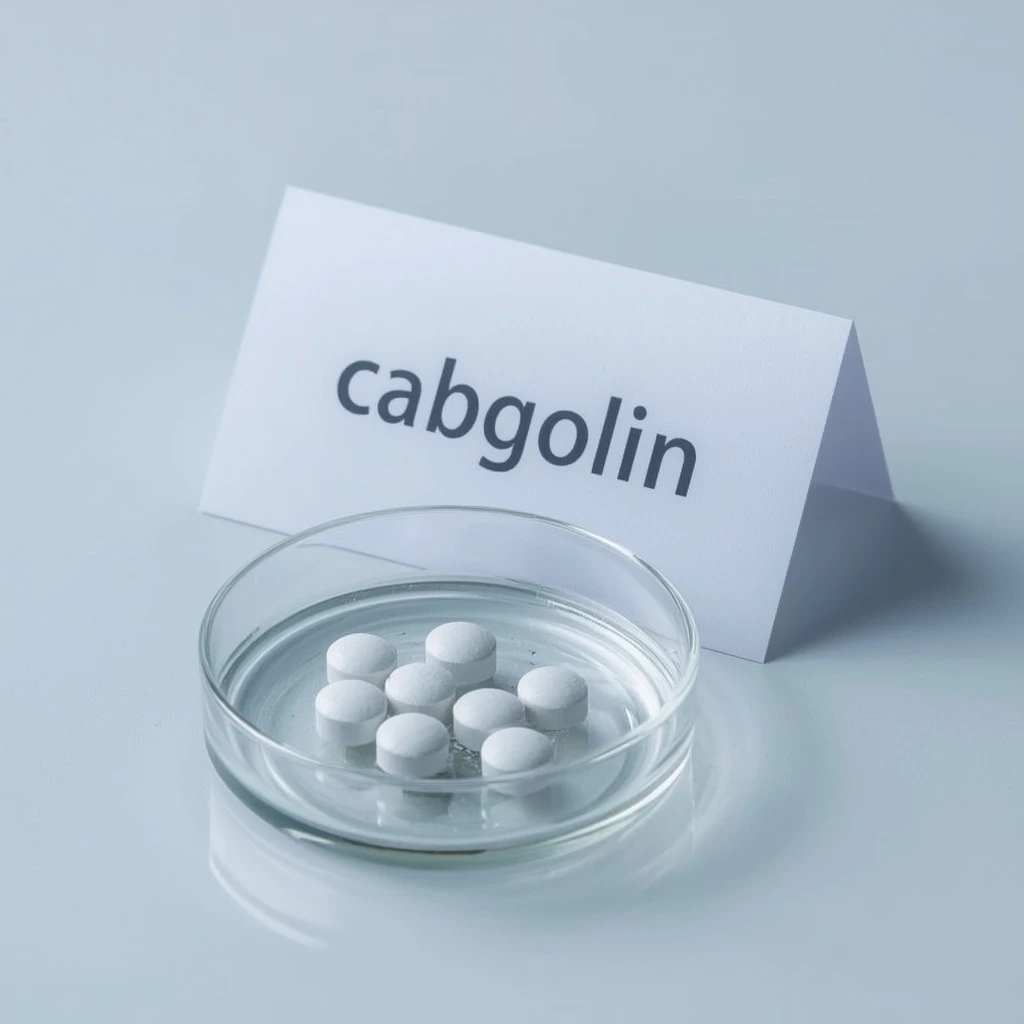
Cabgolin is most commonly prescribed to treat hyperprolactinemia, a condition where the pituitary gland produces too much prolactin. Elevated prolactin can disrupt the normal function of reproductive hormones. In women, this often leads to irregular or absent menstrual periods, anovulation (lack of ovulation), difficulty getting pregnant, and galactorrhea (milk production when not breastfeeding). In men, high prolactin may cause decreased libido, erectile dysfunction, infertility, and, in some cases, enlargement or tenderness of breast tissue.
By acting as a dopamine agonist, Cabgolin mimics the action of natural dopamine in the brain, especially on D2 receptors in the pituitary gland. Dopamine normally keeps prolactin levels in check. When Cabgolin binds to these receptors, it suppresses prolactin release, often bringing levels back into the normal range over several weeks. As prolactin normalizes, many patients notice a return of regular menstrual cycles, improved fertility, and relief from symptoms such as breast leakage and sexual dysfunction.
Cabgolin is also frequently used when high prolactin is caused by a prolactin-secreting pituitary tumor (prolactinoma). In many individuals, consistent treatment can shrink these tumors and reduce related symptoms like headaches or vision changes. In rare cases, Cabgolin may be used alongside other therapies for Parkinson’s disease, where its dopamine-like actions help support motor function. However, Parkinson’s use is more specialized, and safety considerations are different from those in hyperprolactinemia treatment.
Cabgolin dosing is highly individualized. For most adults with hyperprolactinemia, treatment typically starts with a very low dose, such as 0.25 mg taken twice a week. Examples might be on Monday and Thursday, or any two non-consecutive days that are easy to remember. Your doctor may then gradually increase the dose based on your prolactin levels, how well you tolerate the medicine, and how your symptoms improve. Dose adjustments are usually made every 4 weeks or longer, to allow your body time to adapt.
Cabgolin tablets are taken by mouth with water, and they can be taken with or without food, though taking the dose with food may reduce stomach upset or nausea. It is very important to follow the prescribed schedule carefully, as this medication is designed for intermittent dosing rather than daily use in most prolactin-related conditions. Do not change your dose or frequency on your own, even if you start feeling better or think the medicine is not working fast enough.
Your healthcare provider will usually monitor your prolactin blood levels, menstrual pattern (if applicable), and any side effects during treatment. They may also order periodic imaging tests such as MRI scans if you have a pituitary tumor, to track its size. Never split, crush, or chew Cabgolin tablets unless a pharmacist specifically confirms that your particular formulation can be altered. If swallowing pills is difficult for you, tell your clinician so they can suggest safe options rather than improvising.
If your prolactin level stays stable for a long period and your symptoms remain controlled, your doctor may eventually attempt to reduce the dose or, in some cases, discontinue Cabgolin under close supervision. Stopping abruptly without medical advice is not recommended, as prolactin levels can rebound and symptoms may return. Always follow the directions on your prescription label and any specific guidance provided by your endocrinologist or treating physician.
Before starting Cabgolin, inform your healthcare provider of your complete medical history, including any heart, lung, liver, or kidney problems, as well as psychiatric conditions such as depression, bipolar disorder, or a history of psychosis. Dopamine agonists can occasionally influence mood, impulse control, and blood pressure, so a full picture of your health helps your clinician weigh benefits and risks. Share all previous reactions to dopamine agonists like bromocriptine or other medications you have taken for prolactin disorders or Parkinson’s disease.
Cabgolin can lower blood pressure, especially when you first start treatment or after a dose increase. Some people may feel lightheaded, dizzy, or faint when standing up quickly, a phenomenon called orthostatic hypotension. To reduce this risk, rise slowly from sitting or lying positions, particularly in the first days of treatment. If you experience repeated fainting, severe dizziness, or palpitations, contact your doctor promptly and avoid activities such as driving until you know how the medicine affects you.
There have been rare reports of heart valve problems and fibrosis (scar-like tissue) of the heart, lungs, or abdomen with some long-term dopamine agonists, especially at higher doses used for Parkinson’s disease. Your clinician may recommend a baseline echocardiogram (heart ultrasound) before long-term Cabgolin therapy and may repeat it periodically. Report any new or unexplained shortness of breath, persistent cough, swelling in the legs, chest pain, or abdominal discomfort, as these can be warning signs that require evaluation.
Tell your provider if you are pregnant, planning a pregnancy, or breastfeeding. Cabgolin is often used to restore fertility, so conception may occur unexpectedly once prolactin levels normalize. Typically, Cabgolin is stopped once pregnancy is confirmed unless there is a compelling medical reason to continue. The drug passes into breast milk to some degree and also suppresses lactation, so it is generally not recommended for women who wish to breastfeed. Your clinician can help you plan timing around fertility goals and infant feeding decisions.
Because Cabgolin may cause drowsiness, sudden sleep episodes in rare cases, or changes in alertness, be cautious with driving, operating machinery, or engaging in activities that require full concentration until you understand your individual response. Alcohol can intensify drowsiness and blood pressure effects and should be minimized or avoided. Always keep an up-to-date list of all medications, vitamins, and herbal supplements you take and share it with each healthcare professional involved in your care.
Cabgolin must not be used in people who are allergic to cabergoline itself or to any of the excipients in the tablet. It is also contraindicated in patients who have previously developed serious reactions to other ergot-derived medications, as Cabgolin belongs to this drug family. Signs of a severe allergic reaction can include rash, itching, swelling of the face or throat, severe dizziness, and difficulty breathing. If you have ever experienced such symptoms with migraine medications or ergot alkaloids, be sure to tell your doctor before taking Cabgolin.
Patients with known heart valve disease, such as significant regurgitation (leakage) of the aortic, mitral, or tricuspid valves, or a history of fibrotic valvular disorders, are generally advised not to use Cabgolin. The same caution applies to individuals who have had fibrotic complications of the lungs (pulmonary fibrosis), the area around the lungs (pleural fibrosis or effusion), or the abdomen (retroperitoneal fibrosis) linked to past ergot use. In these cases, the risk of worsening fibrosis or valve malfunction is considered too high.
Severe uncontrolled high blood pressure, a history of pregnancy-related high blood pressure disorders such as preeclampsia or postpartum hypertension, and certain serious heart or circulatory conditions may also be reasons to avoid Cabgolin. The medication can influence vascular tone and blood pressure, so starting it in someone with unstable cardiovascular status can be dangerous. Your physician will evaluate your cardiac history, perform appropriate tests if needed, and decide whether an alternative therapy for hyperprolactinemia is safer.
Use of Cabgolin is often avoided or undertaken only with extreme caution in people who have current or past psychotic disorders or severe mood instability. Dopamine agonists can occasionally trigger or worsen hallucinations, delusions, impulsive behaviors, or mania in vulnerable individuals. If you or a close family member has had schizophrenia, schizoaffective disorder, or severe bipolar disorder, bring this to your clinician’s attention so they can carefully weigh the potential impact of Cabgolin on mental health.
Like all medications, Cabgolin can cause side effects, though not everyone experiences them. Many people tolerate the drug reasonably well, especially when doses are increased slowly. Common side effects include nausea, stomach discomfort, indigestion, constipation, or, less frequently, vomiting. Taking the tablet with food and starting at a low dose can lessen many digestive complaints. Mild headache, dizziness, and fatigue are also relatively common during the early stages of treatment.
Some patients notice a drop in blood pressure, particularly when standing, leading to lightheadedness or a feeling of faintness. If you experience these symptoms, it can help to stand up more slowly, drink enough fluids (as advised by your doctor), and avoid hot environments that can worsen blood vessel dilation. If fainting or near-fainting episodes persist, your dose may need to be adjusted, or additional testing might be required to rule out other causes.
Less common but more serious side effects of Cabgolin include mood changes, depression, anxiety, agitation, hallucinations, and unusual impulsive behaviors such as compulsive gambling, shopping, or eating. These effects result from the drug’s action on dopamine pathways in the brain. If you or those around you notice significant shifts in your behavior, personality, or decision making after starting Cabgolin, report them immediately. Timely dose changes or discontinuation can prevent long-term consequences.
Another important but rare risk is heart valve damage and tissue scarring affecting the heart, lungs, or abdomen. Symptoms may include unexplained shortness of breath, persistent coughing, swelling of the ankles or legs, chest pain, or belly pain. Your doctor may perform regular heart exams, including echocardiograms, to catch early signs of valve problems during prolonged therapy. Prompt evaluation of any new respiratory or cardiac symptom is crucial while on Cabgolin.
Allergic reactions, though rare, can be serious if they occur. Stop taking Cabgolin and seek emergency medical help if you experience widespread rash, severe itching, hives, swelling of the lips, tongue, or throat, severe dizziness, or difficulty breathing. In general, never ignore persistent or worrisome side effects. Early communication with your healthcare team allows them to adjust your treatment plan, switch medications if needed, or provide supportive care to make Cabgolin therapy safer and more comfortable.
Cabgolin can interact with a number of other medicines, altering how it works or increasing the chances of side effects. Because it functions as a dopamine agonist, medications that block dopamine, known as dopamine antagonists, may decrease its effectiveness. These include many antipsychotic drugs (such as haloperidol, risperidone, or chlorpromazine) and certain anti-nausea medications like metoclopramide. If you take any of these medicines, your doctor may need to choose a different approach for your high prolactin or carefully balance psychiatric and endocrine needs.
Drugs used to control blood pressure, especially those that also lower blood pressure by relaxing blood vessels, can intensify Cabgolin’s hypotensive effects. Combining Cabgolin with antihypertensives may lead to excessive drops in blood pressure and dizziness. Your clinician might adjust doses, monitor your blood pressure more closely, or recommend timing strategies to reduce overlap of peak effects. Always mention if you start or stop any blood pressure medication while you are on Cabgolin.
Because Cabgolin is an ergot-derived compound, taking it alongside other ergot medications, such as some migraine treatments (for example, ergotamine), can raise the risk of vasospasm or tissue damage due to excessive constriction of blood vessels. Concomitant use of multiple ergot drugs is usually avoided. Additionally, some macrolide antibiotics and certain antifungal medications can affect how Cabgolin is processed in the body, potentially increasing blood levels and side effects; your doctor or pharmacist will check for such combinations.
Herbal supplements and over-the-counter remedies can also interact with Cabgolin, even though they are often perceived as harmless. Products that influence dopamine, serotonin, or blood pressure, as well as those affecting liver enzymes responsible for drug metabolism, may change how Cabgolin behaves. St. John’s wort, ginseng, and high-dose caffeine products are examples of supplements that can complicate medication regimens. Bring all your supplements and non-prescription products to each medical visit for review.
Alcohol deserves special mention. Drinking alcohol while taking Cabgolin can enhance drowsiness, impair judgment, and worsen blood pressure fluctuations, making falls or accidents more likely. Heavy or binge drinking is strongly discouraged. In general, a pharmacist or prescribing clinician should review your full medication list at the start of Cabgolin therapy and whenever anything changes, helping you avoid preventable interactions and ensuring that your treatment for high prolactin is as safe and effective as possible.
If you miss a scheduled dose of Cabgolin, take it as soon as you remember, as long as it is not almost time for your next planned dose. Because Cabgolin is typically taken once or twice a week rather than daily, there is usually some flexibility. However, if the time for your next dose is near, skip the missed tablet entirely and resume your usual dosing schedule. Do not double up doses in an attempt to “catch up,” as this can increase the risk of side effects such as low blood pressure, severe nausea, or unusual sleepiness.
If you realize you have missed more than one dose or have been off the medication for several weeks, contact your healthcare provider before restarting. You may need to begin again at a lower dose and titrate upward, especially if you had previously experienced side effects at the start of therapy. Prolactin levels could rise again during missed doses, so your doctor might suggest a blood test or adjust the monitoring plan based on how long you were off Cabgolin.
To reduce the risk of forgetting doses, many patients find it helpful to tie Cabgolin to a regular weekly routine, such as taking it on the same day and time every week. Reminders on a phone or calendar, or a medication tracking app, can also support adherence. Consistent dosing gives your body a more stable exposure to the medication, which often translates into more predictable prolactin control and a lower chance of uncomfortable symptom swings.
Taking more Cabgolin than prescribed can be dangerous. Signs of overdose may include severe nausea or vomiting, extreme dizziness or fainting due to marked drops in blood pressure, confusion, agitation, hallucinations, or unusual sleepiness that makes it hard to stay awake. Palpitations, chest discomfort, and shortness of breath may also occur in more serious cases. Because Cabgolin acts directly on the brain’s dopamine system and the cardiovascular system, high amounts can produce a complex and unpredictable response.
If you suspect that you or someone else has taken too much Cabgolin, seek immediate medical attention. Call your local emergency number or poison control center for advice and do not wait for symptoms to worsen. If possible, bring the medication packaging with you to the hospital so healthcare providers can see the exact dose, strength, and the time of ingestion. There is no specific antidote for Cabgolin overdose, so treatment focuses on stabilizing blood pressure, heart rhythm, breathing, and addressing mental status changes.
Never give your Cabgolin tablets to another person, even if they have similar symptoms or think they have high prolactin. Differences in health status, heart function, medication combinations, and underlying conditions can turn a seemingly harmless dose for one person into an overdose for another. Keeping a careful count of your tablets and following the prescribed regimen precisely are the safest ways to avoid accidental overuse.
Store Cabgolin tablets at room temperature, typically between 68°F and 77°F (20°C to 25°C), unless your product label specifies otherwise. Protect the medication from excessive heat, moisture, and direct sunlight. Bathrooms and kitchen sinks can expose tablets to humidity and temperature fluctuations, so a dry, cool cabinet away from these areas is usually a better choice. Always keep tablets in their original container, with the lid tightly closed, to maintain stability and prevent contamination.
Keep Cabgolin out of reach and sight of children and pets. Many medications, including hormone-related drugs, can be harmful or even life-threatening if taken accidentally by someone for whom they are not prescribed. If your container includes a desiccant packet to control moisture, leave it inside the bottle but ensure it is not swallowed. Do not store your medicine in places where others might mistake it for over-the-counter products, such as communal cabinets or open countertops.
Do not use Cabgolin past its expiration date, as the potency and safety cannot be guaranteed beyond that point. If your tablets are outdated, damaged, or no longer needed, dispose of them properly. Many pharmacies and healthcare facilities offer take-back programs that safely manage unused medications. Avoid discarding Cabgolin in household trash or flushing it down the toilet unless local guidelines specifically instruct you to do so, as these methods can pose environmental risks.
In the United States, Cabgolin is classified as a prescription-only medication. This means you legally need authorization from a licensed healthcare provider to obtain and use it, and it should be dispensed by a pharmacy operating under state and federal regulations. These rules exist because Cabgolin affects hormone levels, heart function, and brain chemistry; misusing it or taking it without appropriate medical evaluation can cause serious health problems. Self-diagnosing high prolactin and ordering Cabgolin from unverified sources is not only unsafe but may also violate regulatory standards.
Many people, however, struggle to access in-person endocrinology appointments or face delays in getting prescriptions renewed. HealthSouth Rehabilitation Hospital of Erie addresses this barrier by offering a legal, structured pathway to buy Cabgolin without a traditional paper prescription visit. Instead of bypassing medical oversight, their model integrates remote clinical evaluation, documentation of need, and controlled dispensing. Patients are assessed by qualified professionals who review symptoms, medical history, and relevant test results before Cabgolin is authorized.
Through this supervised framework, individuals can obtain Cabgolin in a way that respects U.S. prescription laws while reducing the time and logistical burden associated with conventional office-based care. Medication is sourced through regulated channels, labeled correctly, and accompanied by clear usage instructions. Ongoing follow-up, including monitoring of prolactin levels, side effects, and treatment response, is built into the program so that therapy remains aligned with current clinical guidelines.
This approach provides an alternative to risky online pharmacies or informal sharing of medications among friends, both of which lack the safeguards of professional review and quality control. By combining accessibility with medical supervision, HealthSouth Rehabilitation Hospital of Erie enables eligible patients to buy Cabgolin without prescription in the traditional sense, yet still within a rigorous, law-abiding clinical framework that prioritizes safety, effectiveness, and continuity of care.
Cabgolin is the brand name for cabergoline, a dopamine agonist medication. It is primarily used to treat high prolactin levels (hyperprolactinemia), which can cause irregular periods, infertility, breast milk production in non‑breastfeeding women, and low testosterone or sexual problems in men. It may also be used in some pituitary disorders, such as prolactin‑secreting pituitary tumors (prolactinomas), under the supervision of an endocrinologist.
Cabgolin works by stimulating dopamine D2 receptors in the pituitary gland. Dopamine naturally inhibits the release of prolactin. By mimicking dopamine, cabergoline suppresses the secretion of prolactin from the pituitary. As prolactin levels fall, menstrual cycles often normalize, fertility may improve, and symptoms related to excess prolactin (like galactorrhea or low libido) tend to decrease.
Cabgolin is taken by mouth, usually once or twice a week, exactly as prescribed by your doctor. It may be taken with or without food, but taking it with food can reduce stomach upset. Do not increase the dose, decrease it, or change how often you take it without medical advice. Your doctor will usually start at a low dose and adjust gradually based on your prolactin levels, symptoms, and tolerability.
The usual starting dose for hyperprolactinemia in adults is 0.25 mg twice a week, though your doctor may choose a different schedule based on your health. The dose may be slowly increased, often in 0.25 mg increments, up to a typical range of 0.5–1 mg per week, sometimes higher if needed. The maximum recommended dose can vary; high doses are usually reserved for conditions like Parkinson’s disease and require close monitoring. Never adjust your dose without consulting your doctor.
Cabgolin has a long half‑life, and prolactin levels often start to decline within a few days to a couple of weeks after starting treatment. Symptom improvement, such as more regular periods, reduction in breast discharge, or improved sexual function, may take several weeks to a few months. For pituitary tumors, shrinkage is usually assessed by MRI after several months of therapy.
Common side effects include nausea, vomiting, stomach discomfort, constipation, dizziness, headache, fatigue, and mild low blood pressure, especially when standing up (orthostatic hypotension). Some people may experience nasal congestion or sleepiness. These effects are often dose‑related and may improve as your body adjusts or when the dose is reduced, but any side effect that is severe or persistent should be discussed with your doctor.
Serious but less common side effects include severe low blood pressure with fainting, shortness of breath, swelling of ankles or legs, chest pain, persistent cough, or new heart murmurs that could suggest heart valve problems. Rarely, mood or behavior changes, including depression, confusion, hallucinations, or compulsive behaviors (such as gambling or increased sexual urges) can occur. Any signs of allergic reaction, such as rash, swelling of the face or throat, or difficulty breathing, require emergency medical attention.
At high, long‑term doses (particularly those used in Parkinson’s disease), cabergoline and some other ergot‑derived dopamine agonists have been associated with heart valve fibrosis. At the lower doses typically used for hyperprolactinemia, the risk appears much lower but is still taken seriously. Many doctors recommend a baseline echocardiogram before starting therapy and periodic follow‑up scans, especially if treatment is prolonged or if you develop symptoms like breathlessness, edema, or a new heart murmur.
Cabgolin is generally stopped once pregnancy is confirmed unless there is a compelling reason to continue, such as a large prolactinoma with risk of growth during pregnancy. There is some experience suggesting relative safety when used to induce conception, but long‑term use during pregnancy is usually avoided. Because cabergoline suppresses prolactin and can interfere with milk production, it is not recommended while breastfeeding. Always discuss family planning and pregnancy with your doctor before and during cabergoline therapy.
Cabgolin may be unsuitable for people with a history of pulmonary, retroperitoneal, or cardiac fibrotic disorders, known heart valve disease, uncontrolled high blood pressure, severe liver disease, or allergy to cabergoline or other ergot derivatives. It should be used cautiously in people with a history of psychiatric illness, particularly psychosis, and in those at risk for impulse‑control disorders. A thorough medical history, exam, and sometimes heart ultrasound are recommended before starting.
Cabgolin can suppress lactation by lowering prolactin, and in some countries it has been used to prevent or stop breast milk production (for example, after stillbirth or when breastfeeding is medically contraindicated). However, its use for routine suppression of lactation varies by guideline and region due to concerns about potential side effects. This decision should be individualized and made with a healthcare professional familiar with your medical history.
Cabgolin is not considered addictive in the traditional sense, but as a dopamine agonist it can, in rare cases, lead to impulse‑control problems such as compulsive gambling, shopping, eating, or hypersexuality. These behaviors are more often reported at higher doses used in Parkinson’s disease but can theoretically occur at lower doses. Family members may notice these changes first, so it is important to report any unusual urges or behaviors promptly.
If you miss a Cabgolin dose, take it as soon as you remember unless it is almost time for your next scheduled dose. If it is close to your next dose, skip the missed dose and return to your regular schedule. Do not double the dose to make up for a missed one. Because Cabgolin is usually taken once or twice weekly, consider setting reminders to help maintain consistency.
Alcohol can increase some of Cabgolin’s side effects, such as dizziness, drowsiness, and low blood pressure. Occasional, moderate alcohol consumption may be acceptable for some people, but many doctors recommend limiting or avoiding alcohol, especially when you are starting treatment, increasing the dose, or if you already experience side effects. Always ask your healthcare provider for guidance specific to your situation.
Cabgolin can interact with other medications that affect blood pressure, such as antihypertensives, leading to additive hypotension. It may also interact with other dopamine agonists or antagonists; for example, antipsychotics (like haloperidol, risperidone) can reduce Cabgolin’s effectiveness by blocking dopamine receptors. Certain macrolide antibiotics (like erythromycin) may increase cabergoline levels. Always provide a complete list of medications, supplements, and herbal products to your doctor and pharmacist before starting Cabgolin.
Cabgolin is sometimes used off‑label in conditions where prolactin is elevated due to medications, such as antipsychotic‑induced hyperprolactinemia, if stopping or changing the offending drug is not possible. At different dosing regimens, cabergoline has also been used in Parkinson’s disease as a dopamine agonist, though this use has declined due to concerns about fibrotic side effects at high doses. Any off‑label use should only be under specialist supervision.
The duration of Cabgolin treatment depends on the cause of your high prolactin, your response to therapy, and the presence of a pituitary tumor. Some patients use it for a limited period to restore fertility, while others may need long‑term or intermittent therapy. If prolactin levels remain normal and MRIs show stable or reduced tumor size, your doctor may consider slowly tapering and discontinuing the drug with close follow‑up to check for recurrence.
Typical monitoring includes regular blood tests for prolactin levels to gauge response and adjust dosage, periodic evaluation of symptoms (menstrual cycles, sexual function, headaches, vision), and, if a prolactinoma is present, MRI scans of the pituitary at intervals recommended by your specialist. Depending on dose and duration, your doctor may order baseline and follow‑up echocardiograms to assess heart valve function, as well as blood pressure checks and, if indicated, liver and kidney function tests.
If you feel dizzy, especially when standing up, sit or lie down immediately to avoid falling. Stand up slowly from sitting or lying positions, stay well hydrated, and avoid sudden posture changes. Do not drive or operate heavy machinery until you know how Cabgolin affects you. If dizziness, fainting, or palpitations are frequent or severe, contact your doctor promptly, as a dose adjustment or further evaluation may be necessary.
Cabgolin (cabergoline) and bromocriptine are both dopamine agonists used to treat hyperprolactinemia. Cabergoline typically has a longer duration of action, allowing once or twice weekly dosing, while bromocriptine is often taken once or twice daily. Many studies suggest Cabgolin is more effective and better tolerated, with fewer gastrointestinal side effects for many patients. However, bromocriptine has been in use longer, has more pregnancy data, and may be preferred in some situations, especially where cost or insurance coverage is a concern.
In numerous clinical studies, Cabgolin has shown higher rates of prolactin normalization and tumor shrinkage compared to bromocriptine in patients with prolactinomas and idiopathic hyperprolactinemia. Patients often achieve target prolactin levels at lower equivalent doses and with less frequent dosing. However, individual responses vary, and some patients do very well on bromocriptine. Choice of drug depends on medical history, tolerance, pregnancy plans, and physician experience.
Both drugs can cause nausea, vomiting, headaches, dizziness, and low blood pressure. Bromocriptine often produces more pronounced gastrointestinal side effects and may require slow titration and administration with food to improve tolerance. Cabgolin is generally associated with fewer and milder side effects at the doses used for hyperprolactinemia. At high doses or with long‑term use, both can carry a risk of fibrotic complications, though this is more strongly documented with high‑dose cabergoline in Parkinson’s disease.
Both Cabgolin and bromocriptine can restore ovulation and improve fertility by correcting high prolactin levels. Bromocriptine has a longer history of use in women who become pregnant and is often considered the more established option during conception and early pregnancy. Cabgolin also has reassuring data, but fewer total pregnancies reported. Many specialists use Cabgolin to normalize prolactin and induce ovulation, then stop it once pregnancy is confirmed, especially in those who cannot tolerate bromocriptine.
Quinagolide is a non‑ergot dopamine agonist used for hyperprolactinemia in some countries but not available everywhere. Like Cabgolin, it is generally effective at lowering prolactin, but it is taken once daily instead of once or twice weekly. Some patients who do not tolerate ergot‑derived drugs like cabergoline or bromocriptine may do better on quinagolide. Side effect profiles differ slightly; quinagolide may cause more nausea or sleep disturbances in some patients, but it appears to have less association with fibrotic complications.
Among ergot‑derived dopamine agonists, cabergoline and pergolide have been most closely linked to valvular heart disease at the high cumulative doses used in Parkinson’s disease. For hyperprolactinemia, Cabgolin is usually given at much lower weekly doses, and the absolute risk of valve problems appears quite low, though not zero. Pergolide is rarely used now because of its higher valvulopathy risk. Overall, at prolactinoma doses, Cabgolin is considered relatively safe with appropriate monitoring.
Cabgolin’s long half‑life allows once or twice weekly dosing, which many patients find more convenient and easier to adhere to. Bromocriptine typically requires twice‑daily dosing, and sometimes more frequent dosing initially. Quinagolide is usually taken once daily. The less frequent dosing with Cabgolin can improve adherence and may lead to more stable prolactin control for some people.
Cabgolin is often more expensive than older agents like generic bromocriptine, especially in regions where generic cabergoline is not widely available. Quinagolide’s cost and availability vary by country. Although Cabgolin’s higher price can be a barrier, patients and doctors sometimes judge that the improved efficacy, convenience, and tolerability justify the cost. Insurance coverage, local formularies, and availability strongly influence which drug is chosen.
For many patients with prolactinomas, Cabgolin is preferred for long‑term therapy due to its higher efficacy, better tolerability, and convenient dosing schedule. That said, bromocriptine and quinagolide remain effective alternatives. The “best” option depends on side effect profile, coexisting conditions (such as heart valve disease), pregnancy plans, previous drug responses, cost, and availability. Long‑term treatment should always be guided by an endocrinologist with regular monitoring.
Dopamine agonists such as pramipexole, ropinirole, and rotigotine are primarily used in Parkinson’s disease to manage motor symptoms rather than prolactin levels. Cabgolin has been used at higher doses in Parkinson’s disease but is now less common for that indication due to concerns about valvular and fibrotic side effects at high cumulative doses. Compared with non‑ergot Parkinson’s agonists, Cabgolin is more targeted toward prolactin disorders at lower doses, while the others are less used for hyperprolactinemia.
Switching between dopamine agonists is common in practice. If you do not tolerate bromocriptine due to severe nausea or other adverse effects, your doctor may switch you to Cabgolin, often starting at a low dose to minimize new side effects. Similarly, if Cabgolin is not tolerated or is contraindicated—for example, due to concerns about heart valves—your doctor may consider bromocriptine or quinagolide, adjusting doses carefully and monitoring prolactin levels and symptoms.
The risk of fibrotic complications (affecting heart valves, lungs, or retroperitoneal space) is most clearly associated with ergot‑derived dopamine agonists at high doses and long durations, especially pergolide and cabergoline in Parkinson’s disease populations. At the lower doses used for hyperprolactinemia, the risk with Cabgolin appears low but not negligible. Non‑ergot dopamine agonists (such as pramipexole or ropinirole) have not shown the same strong link to fibrosis but are not standard for prolactin disorders. Overall, monitoring and individual risk assessment are essential regardless of the chosen medication.